

From Classroom to Community: Preparing Nursing Students for Cancer Prevention and Early Detection
Details
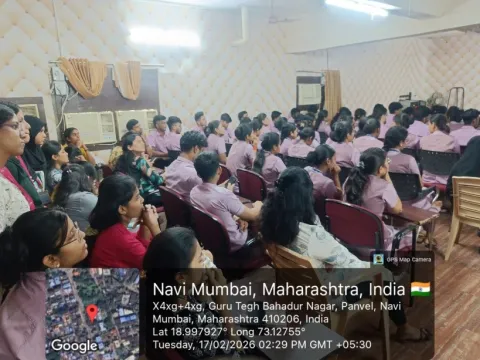
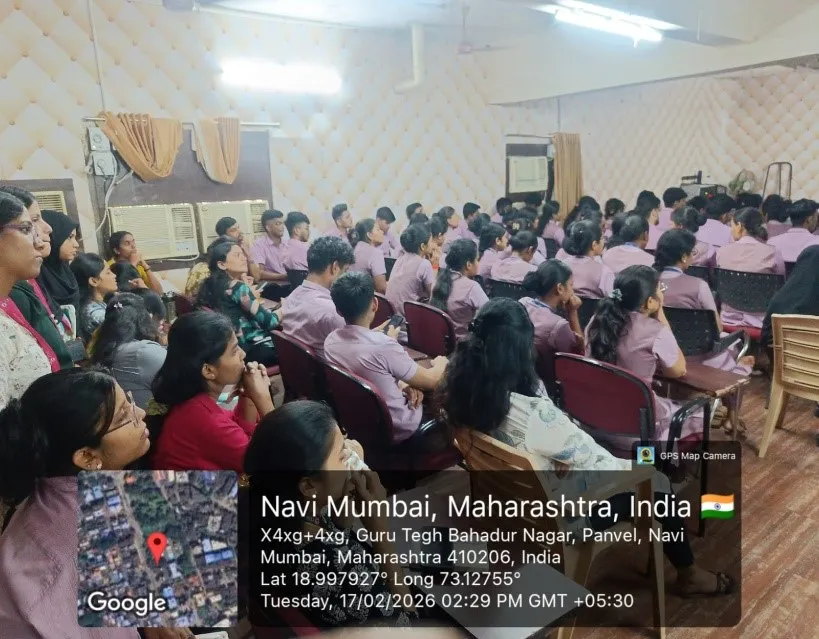
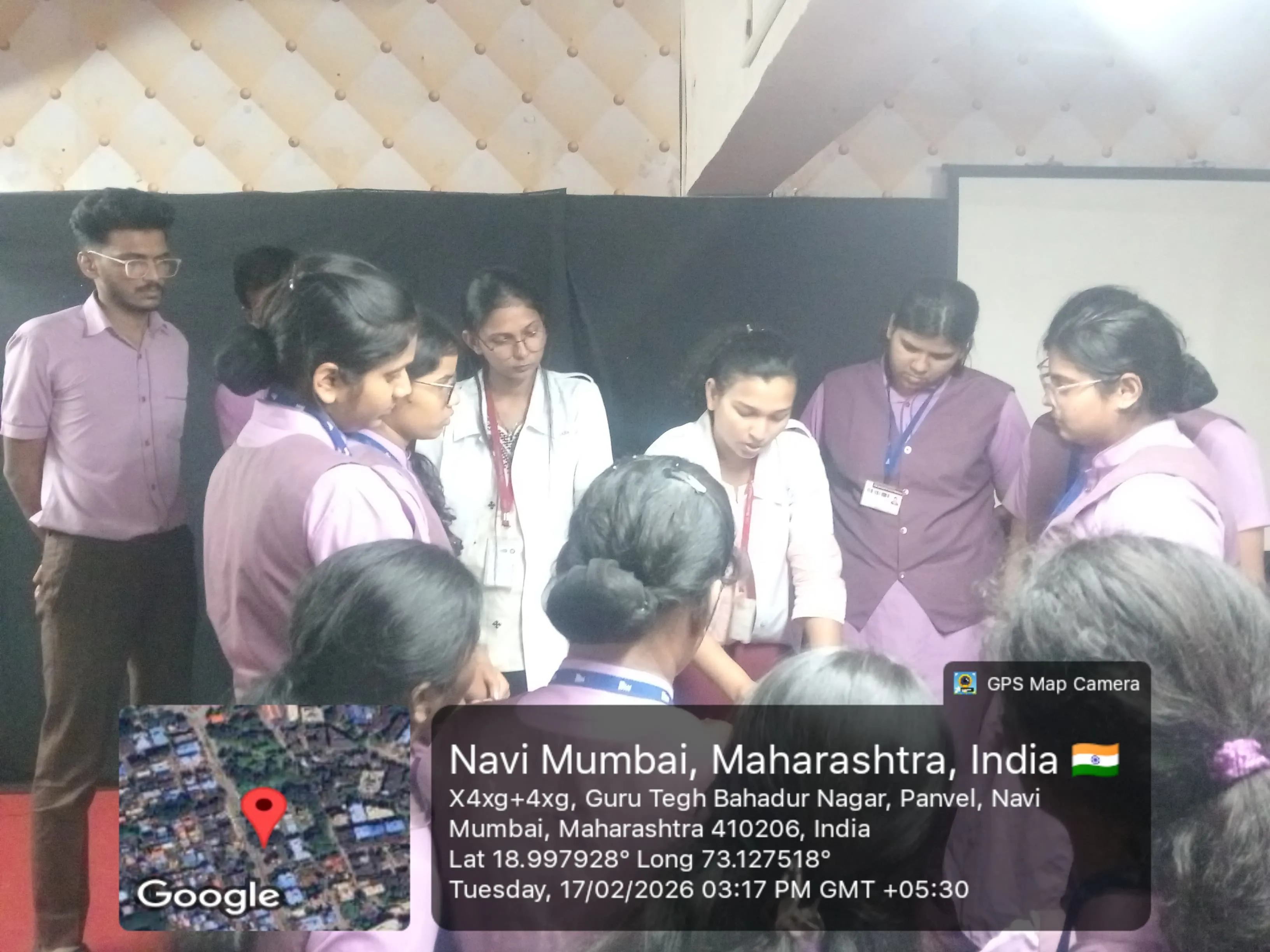
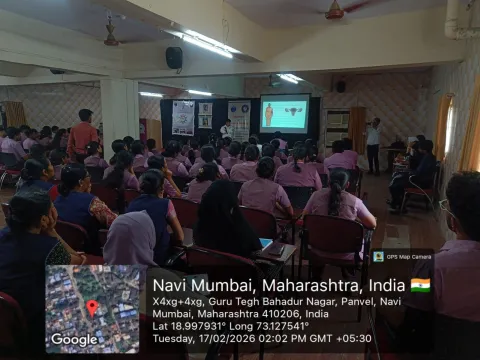
On 17 February 2026, Tata Memorial Hospital conducted a comprehensive educational session on Common Cancer Prevention and Early Detection for B.Sc. Nursing students ITM College of Nursing, Panvel, Mumbai This initiative reflects the hospital’s ongoing commitment to strengthening cancer control efforts through education, capacity building, and community-oriented leadership.
Nursing students represent the backbone of future healthcare systems. As frontline caregivers, educators, and patient advocates, their knowledge and attitude toward cancer prevention significantly influence community health outcomes. Equipping them early in their careers with strong foundations in cancer awareness, risk factor identification, screening guidelines, and early detection strategies is essential for reducing cancer burden.
The session focused on:
- Understanding modifiable and non-modifiable risk factors
- Importance of lifestyle modification in cancer prevention
- Screening methods for breast, cervical, and oral cancers
- Role of nurses in community awareness and outreach programs
- Addressing myths, fear, and stigma associated with cancer
Interactive discussions emphasized the nurses’ role not only within hospital settings but also in community based cancer control initiatives. Students were encouraged to become ambassadors of cancer awareness, capable of educating families and communities about early signs and symptoms, screening availability, and the importance of timely medical consultation.
In countries like India, where late presentation remains a major challenge, empowering nursing students with preventive oncology knowledge can create a ripple effect in society. When nurses are confident in cancer screening techniques and health education strategies, they can actively contribute to early diagnosis and improved survival outcomes.
This initiative aligns with global cancer control strategies that emphasize prevention, early detection, and workforce strengthening as key pillars for reducing cancer-related morbidity and mortality.
By investing in nursing education today, we are building a stronger, more informed healthcare system for tomorrow one where prevention is prioritized, early detection is normalized, and communities are empowered.