

UNDERSTANDING HPV DETECCION AND INMUNIZATION

Details
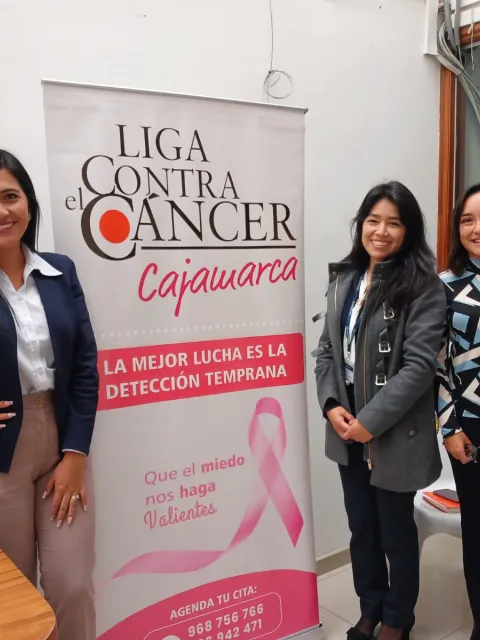
Understanding Human Papillomavirus (HPV) detection and immunization is critical for the prevention of various cancers, most notably cervical cancer. We are going to discuss with pregraduate medicine students, technology students, medicine residents and patients going to the Preventive Center in Cajamarca , Peru.
1. HPV Immunization (Vaccination)
Vaccination is the most effective primary prevention strategy against HPV.
- Target Population: Routinely recommended for children aged 11–12 years, but can start as early as age 9.
- Catch-up Vaccination: Recommended for everyone through age 26 if not previously vaccinated.
- Adults (27–45): Some adults in this range may choose to get vaccinated after discussing with their doctor, though the benefit is lower as most have already been exposed to the virus.
- Dosing Schedule (2026 Guidelines):
- Under 15: 2 doses, given 6–12 months apart.
- 15–26 or Immunocompromised: 3 doses (0, 1–2, and 6 months).
-
Vaccines Available: Gardasil 9 is the primary vaccine used in many regions as of 2026, protecting against 9 strains (6, 11, 16, 18, 31, 33, 45, 52, and 58).
2. HPV Detection (Screening)
- Detection focuses on identifying high-risk HPV types before they cause cancer.
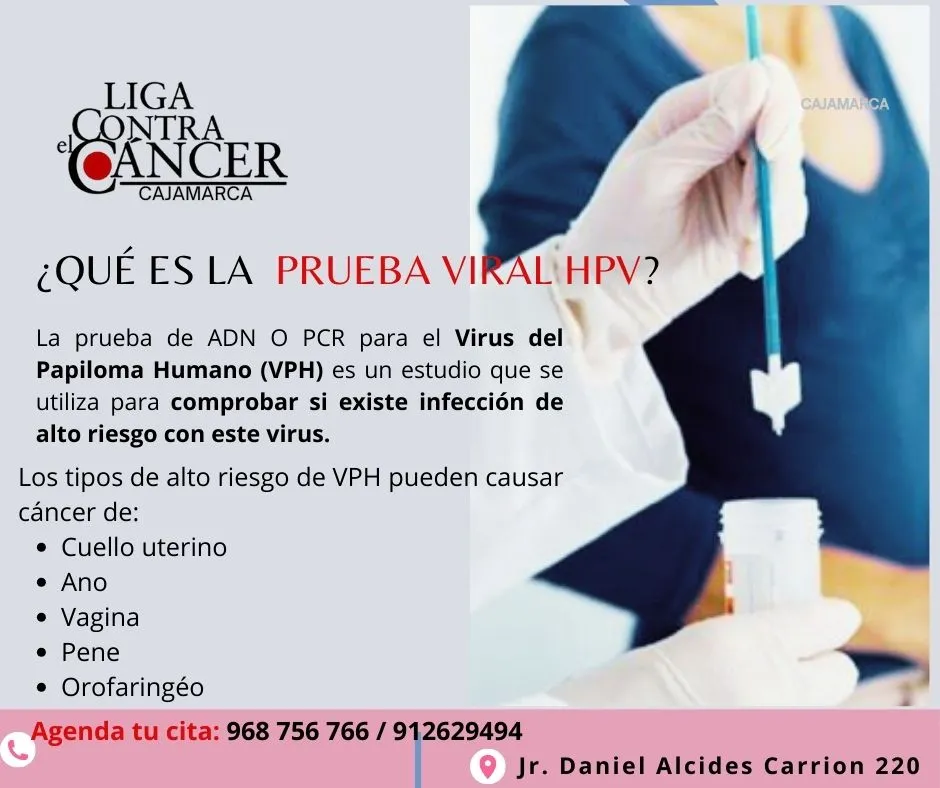
- HPV DNA Test: Directly detects the presence of high-risk viral DNA in cervical cells.
- Pap Smear (Cytology): Looks for abnormal cell changes caused by the virus.
- 2026 Screening Recommendations for Women:
- Ages 21–29: Pap test every 3 years.
- Ages 30–65: Preferred method is primary HPV testing every 5 years. Alternatively, co-testing (HPV + Pap) every 5 years or a Pap test alone every 3 years.
- Men: Currently, there is no routine screening test for HPV in men; detection is usually based on physical examination for visible lesions like genital warts.
3. Key Global Goals (WHO 2030 Strategy)The World Health Organization (WHO) has set a "90-70-90" target for 2030 to eliminate cervical cancer as a public health problem:
- 90% of girls fully vaccinated by age 15.
- 70% of women screened with a high-performance test by ages 35 and 45.
- 90% of women with cervical disease receiving appropriate treatment.
Media Gallery
Files