


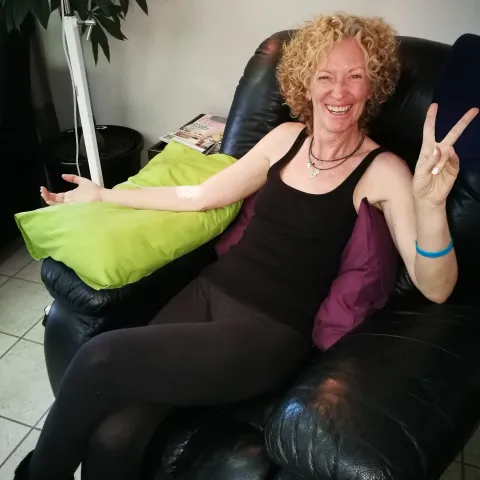
Amanda, South Africa

In August 2019, I was diagnosed with stage 3 triple-negative breast cancer. It was almost impossible to believe. I had spent years following what I thought was a perfect health routine - organic food, natural cleaning products and skincare, no plastic, regular exercise, a healthy weight, and a cabinet full of supplements. On the advice of an alternative health practitioner, I had even replaced mammograms with thermal imaging.
When I found a lump in my left breast, I turned to thermal imaging. The scan suggested “low risk for cancer,” and I was told it was a cyst. I was advised to try rebounding exercises and castor oil packs. That diagnosis felt comforting, but it was wrong.
The lump grew quickly and became painful. When I eventually sought proper medical imaging, I was diagnosed with breast cancer and sent straight into treatment.
That moment forced me to reassess everything I thought I knew about health. I had been drawn to a version of wellness that promised control - avoid toxins, distrust conventional medicine, rely on “natural” solutions. It felt empowering. But it can also create false confidence especially when it replaces evidence-based screening and treatment.
My treatment was aggressive: chemotherapy, surgery, radiation, and oral chemotherapy. My doctors were amazing, the treatment was challenging but manageable. Because of my doctors and my treatments I’m now six years in remission.
What changed wasn’t my commitment to nutrition or movement, it was where I placed my trust. I stopped relying on unproven methods that promise certainty without evidence and learned to listen to experts trained to save lives.
Misinformation is everywhere, often wrapped in hopeful, “natural” language. When people are scared, those messages are persuasive but they can be dangerous. Alternative remedies are often unregulated, can interfere with essential treatment, or delay care at critical moments. That was nearly my story.
I wrote a memoir, The Sum of the Parts, to tell the full story.
If there’s one takeaway from this shorter version, it’s this - approaching health and life with critical thinking is vital. Question claims, weigh evidence, and make decisions based on facts, not fear or promises of certainty. That mindset can save more than just peace of mind, it can save lives.