


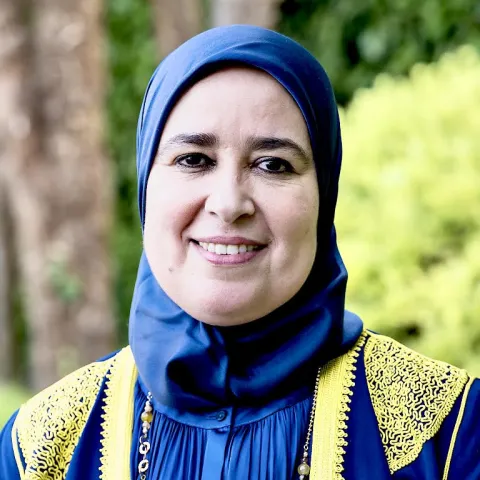
Bahija, Morocco
My journey with CML (chronic myeloid leukemia) began in 2002, when I was pregnant with my third child. What should have been a time of joy and anticipation suddenly shifted into uncertainty as unusual symptoms led to tests and, ultimately, to the diagnosis that changed everything. I found myself navigating treatment while carrying new life, traveling between cities for care, and witnessing firsthand the hardships faced by other patients. That moment marked not only the beginning of my illness, but also the beginning of a deep personal commitment to support those walking the same path.
My biggest challenge was not the disease itself, but the inequalities surrounding it: the centralization of care, issues of availability, financial toxicity, and the absence of moral and psychosocial support. I considered myself lucky when I saw patients sleeping outside hospitals because they couldn’t afford accommodation. I witnessed families collapsing under the weight of both financial and emotional burden. I experienced the loneliness and fear that accompany a serious diagnosis, especially at a time when information was limited and support systems were almost nonexistent. Navigating the healthcare system while coping with the shock of my diagnosis was overwhelming, but it also taught me resilience, compassion, and purpose.
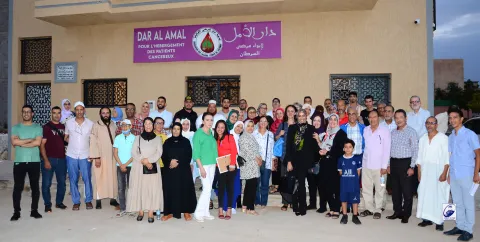
What helped me most was humanity. The unwavering support of my husband and my family, the solidarity of loved ones, and the hope that science brings. And above all, the community that grew from my own adversity: the AMAL Association. Founding AMAL allowed me to transform pain into action and to ensure that no patient would face what I had witnessed, no one should fight cancer alone, without support, dignity, or information. Being surrounded by people who cared and believed in change gave me the strength to continue.
The healthcare system is full of dedicated professionals who work tirelessly, but it is also weighed down by gaps and inequities between rural and urban settings. I have seen major progress in diagnostics and treatments, yet access remains a serious challenge. Many patients struggle with high costs, limited health coverage, and cultural beliefs that still shape how cancer is perceived and managed. My impression is that our system can deliver excellent care when the patient is placed at the centre, when pathways are clear, and when dignity is treated as a fundamental right—not a privilege. This conviction has guided all my advocacy work.
To anyone facing cancer: you are stronger than you think. Do not hesitate to ask questions, seek support, and surround yourself with people who lift you up. Trust science, trust your medical team, and trust your own inner resilience. To caregivers and families: your presence is a lifeline. Take care of yourselves too. To decision-makers: listen to patients, not as statistics, but as human beings with lived expertise that can improve our systems. And to advocates: continue raising your voice. Change begins with one testimony, one story, one act of solidarity, one step toward equity.