


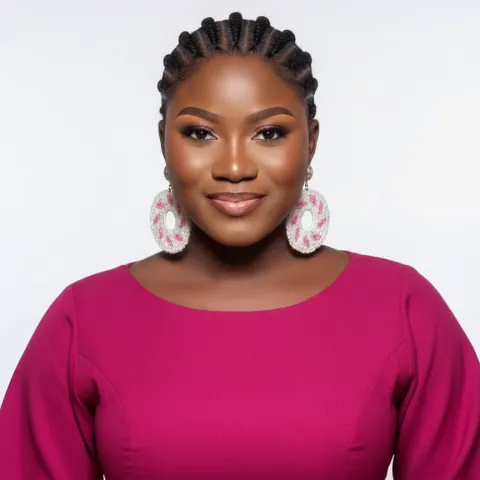
Elizabeth, Nigeria
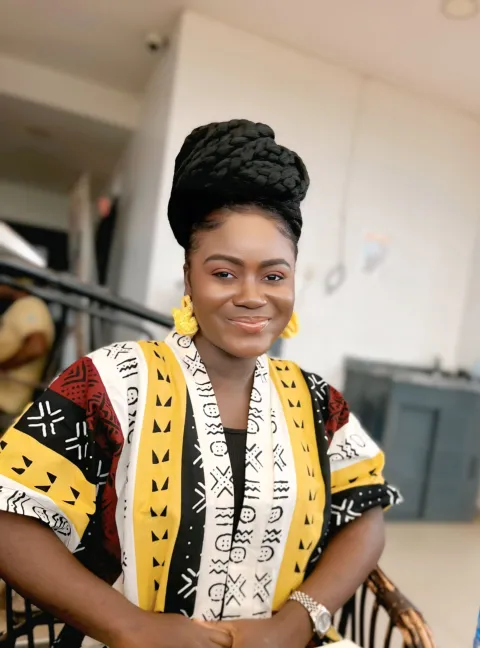
It started with a lump, but I didn’t think it was anything serious. When I went to the first hospital, the doctor dismissed me, telling me not to worry because I was too young. No proper examination, no scans nothing. I left feeling unheard and unsure.
As time passed, the pain and discomfort increased, and that was when I decided to visit another hospital. This time, they carried out proper tests and scans. After several investigations, I was diagnosed with breast cancer.
Hearing those words broke me. I was shocked, scared, and confused. I kept asking myself, “Why me? I’m too young for this.” I was only 25.
At that time, my fear, my age, and my personal situation were not fully considered. I wasn’t properly prepared for what treatment would mean for my body or my future. Everything happened so fast, and I felt like I had no time to fully understand what was happening to me before my life changed completely.
The biggest challenges for me weren’t just the treatment itself it was everything that came with it. Physically, chemotherapy and surgery were tough, and my body went through so much. But emotionally, it was even harder. I battled fear, uncertainty, and the stigma of being so young and having cancer.
Financially, it was overwhelming. There were times I had to delay treatment because I couldn’t afford my medication, and that brought so much stress and worry to me. On top of that, navigating the healthcare system was exhausting, especially at the start when my concerns weren’t taken seriously.
So really, the biggest challenge was all of it the physical pain, the emotional rollercoaster, the financial strain, the stigma, and the fight just to get proper care. It tested me in ways I never imagined, but it also showed me how resilient I truly am.
What helped me most was a combination of things. My faith in God was my anchor, it gave me hope on the days I felt scared and weak. My mindset was also crucial, I had to keep telling myself that this was not the end of my story, that I could survive, and that I could still live a full life.
I was blessed to have people around me family, friends, and fellow cancer survivors who listened, encouraged me, and reminded me that I wasn’t alone. Connecting with the cancer community made a huge difference. They offered guidance, information, and emotional support when I needed it most.
Even the small things helped prayer, daily routines, gentle exercise, journaling, and celebrating every small milestone. All of this together supported my mental, emotional, and physical wellbeing and helped me keep going through some of the toughest moments of my life.
My experience with the healthcare system was a mix of frustration, challenge, and learning. When I first noticed a lump, I went to a doctor who dismissed me, telling me I was too young to worry, and sent me home without any proper examination or tests. That moment left me feeling unheard, dismissed, and uncertain about what was happening to my body.
Later, when I finally received proper care at another hospital, I realized how important it is for healthcare professionals to listen and take patients seriously. However, even then, I wasn’t properly counseled about fertility before starting treatment. I didn’t know how chemotherapy or hormone therapy could affect my ability to have children in the future, and I wish I had been given information and guidance about my options.
Beyond that, there was little guidance about the emotional impact of a cancer diagnosis, the side effects of treatment, or how it could affect my life, and long-term plans. Young patients are making major life decisions at the same time as dealing with a life-changing illness, and they need support, understanding, and clear communication every step of the way.
What worked well for me were the professionals who listened, explained, and treated me as a whole person, not just a patient. What could have been better was more empathy, proper counseling, and inclusion in decisions about my care. My experience taught me that proper communication, guidance, and support are crucial especially for young cancer patients.
To anyone facing cancer today, I want you to know this... you are not alone, and your story is not over. Cancer is a difficult journey it will challenge your body, your mind, and your spirit but it can also reveal your strength, resilience, and the courage you never knew you had. Take it one day at a time, lean on faith, your loved ones, and the communities around you, and don’t be afraid to ask for help.
To young patients, please advocate for yourself. Ask questions, understand your treatment, and know your options. Your concerns matter, and you deserve to be heard.
To the healthcare system, my message is simple, treat patients as people, not just cases. Listen carefully, communicate clearly, and provide guidance that considers the whole person their age, life stage, emotional wellbeing, and future plans. Compassion, inclusion, and proper counseling can make all the difference in someone’s journey.