


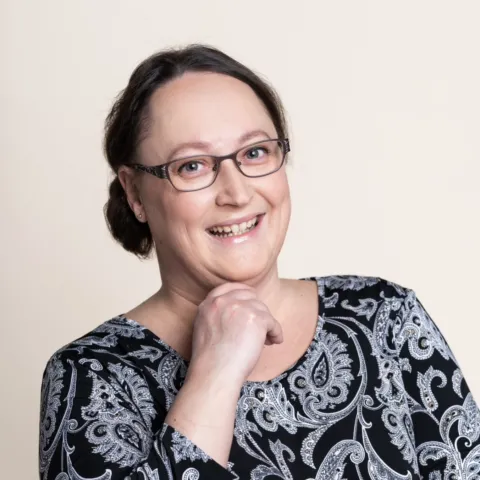
Eva-Maria, Finland
I had no symptoms at all, was a healthy young athlete. I went to a regular check up and they saw something on my ovarii and I had a surgery. The doctors thought it was a benign cyst om my ovari but the patology answer told different, it was a rare form of ovariancancer, called Dysgerminoma. I was probably in chock because everyone thougt it was nothing. Even my doctors where surprised. They told me that I have to do another bigger surgery and after that they will see if I need treatments or not. I did my surgery and it was hard to recover but I did not need any treatment. However, half a year later my cancer came back in my kidney and I had a third even bigger surgery and after that I got chemotherapy that did me really sick and I needed all help I could get. After chemo it was a big challenge to get back to normal life, I needed to start from the beginning with eating and walking. I had many side effects from chemo such as severe fatigue and I got to menopause at age 27 and the doctors told me that I can not get children. So, I had not just cancer, it was a rare form and I also got into menopause and had infertility at young age. Five years ago I also got thyreoidcancer and had a surgery and treatment for that. So I know how to be a cancerpatient.
It was almost everything. When getting treatment I was really fysically in bad shape after hard chemo and all side-effects. And when you are in bad shape fysically also the mental side was going down. I was thinking "do I really survive this and do I really recover". But for me the fysical side was the worst challenge. When feeling better fysically also my mental side was brighter. When treatment was over the next challenge was the menopause issues and also the long term side effects from treatment such as fatigue and pain and infertility and tinnitus and so on. Because I had a rare form of cancer one of the challenges was lack of information about the cancer I had and lack of peer-support.
My family and friends was a big help for me all the way. My family helped me when I was fysically in bad shape and my friends called me and talked about their life so that I had something else to think about than my own sitaution, that helped me to focus for some minutes on something else. Some years after my treatments was ower I found another patient near my home with almost the same cancer and I also found a peer-support group on Facebook.
At that time when beeing sick I thougt it was quite good, I had a good doctor and knew to whom I can call when having questions. But, the time waiting for everything was the worst thing. All the time waiting for bloodsamples, answers, x-rays, answers, appointments, answers, surgeries and chemo and waiting for results from patology. The time waiting was the worst and I think also now several years after that the waitingtime for me and other patients are too long. The system also fail after your follow ups because you have good contact with the healtcare system when having follow ups, but when that is over, then you are really alone and have no contactsystem. And in the primary healthcare system they do not know about rare cancer so much.
You are not alone! Ask questions and look for the right information about your cancer and treatments. Have a supportteam that can help you when you need it. Ask for help and also say yes to help, both fysical help and emotional help. Discuss with your doctors and your careteam, tell them what you want and what you feel. From me as a cancerpatient and cancernurse I want to say to the healtcare system (doctors and nurses) you are doing a great job. You are there for patients and caregivers and you do it with your heart. Listen to the patient, and ask them "how do you feel and what do you need". Look at the patient as a human beeing, not only as a tumour or a diagnos.