


James, Australia
James’ Story: Strength and Living for the Now
I was 28 when my wife noticed a small lump on my neck while we were out with friends. I didn’t think much of it at first, assuming it would go away on its own. As the weeks went by, the lump didn’t disappear. It had kept growing. Weeks later I finally went to the GP, had some blood tests done, and everything came back normal. That gave me some reassurance, but the lump continued to get bigger, and a couple of weeks later I eventually had a biopsy.
When the doctor called me in urgently to discuss the results, I knew deep down that I was about to receive bad news. I’ll never forget that feeling. I was in the middle of my workday, trying to pass the two hours until my appointment, and my mind was racing.
Soon after, I was told I had Stage 3 Hodgkin’s Lymphoma. It had been about three months since I first noticed the lump. Receiving my diagnosis was challenging. It felt like everything suddenly slowed down, and yet the next steps came so fast.
Treatment: Chemo, Fatigue and Finding Routine
I began chemotherapy soon after my diagnosis with four cycles of the BEACOPP regime, which is known for being particularly tough. Each cycle lasted eight days, with treatment on days one to three and again on day eight, followed by nearly two weeks of recovery. The side effects at first were manageable but then hit hard. I was exhausted, nauseous, and would often go home and head straight to bed after treatment. Most nights I was asleep by 7pm. Even simple things like walking left me feeling drained. Over time, my body showed other signs of stress, such as marks on my nails and some numbness in my fingers and toes which took me by surprise.
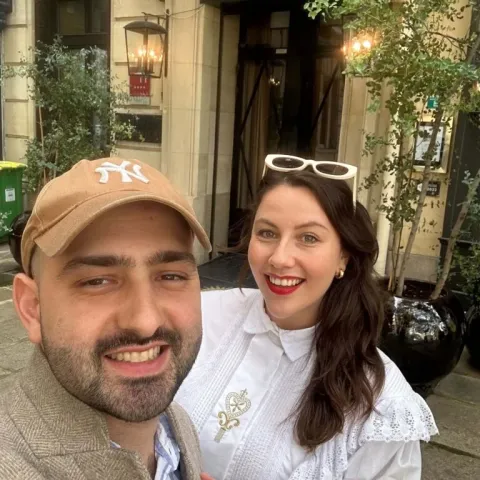
Despite how rough it was, I had access to great care at RPA and Lifehouse in Sydney, just 15 minutes from where I lived. My wife (then fiance, we got married during treatment!) drove me to and from appointments and was my rock throughout the entire process. She was by my side during my worst moments and had to juggle her own work in addition to looking after me.
The Mental Marathon
What I didn’t expect was how much the treatment would impact my mental health. After the first round of chemo, I went downhill quickly both physically and mentally. I felt like I had lost control of my own body, and that was incredibly hard to accept. As my immune system was so weak, we had to avoid crowds, social events, and even small gatherings. It felt a bit like the world went back into COVID lockdown, but only for me and my wife. That isolation took a toll, and I had to relearn how to be around people again once treatment ended.
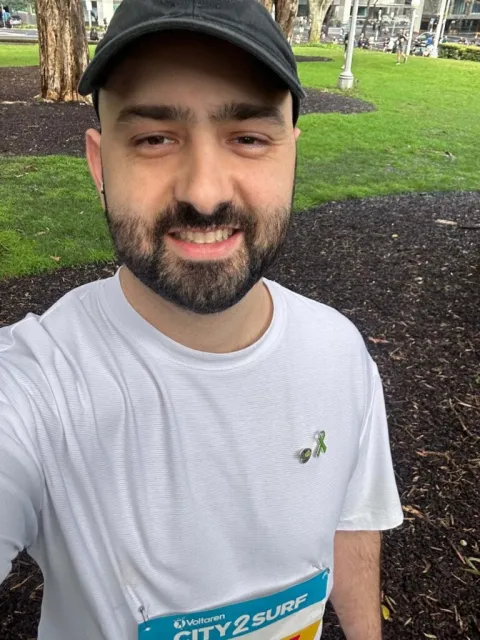
Rebuilding my strength took time, around 6-12 months in total, but it’s been worth it. I started running again, just 100 metres at first, slowly pushing myself further each week. Close to 2 years later, I ran the 14km City2Surf to raise funds for Lymphoma Australia and raised over $8,000. It wasn’t just about fitness for me, it’s a personal reminder of how far I’ve come and how important it is to keep moving forward, and how I can use my experiences to help those get a diagnosis like I did.
Support, Love, and the Power of Showing Up
I had an incredible support network. My wife was by my side every step of the way, and my family made sure I never went without a home-cooked meal or a lift to the hospital. Even my mates overseas would call to check in regularly, which made a huge difference.
I also received a patient pack from Lymphoma Australia that had small but meaningful essentials like lip balm, moisturiser, and a thermometer. What meant more than the items themselves was the message they carried: “You’re not alone. There are people out there who understand exactly what you’re going through.” Looking back, I wish I had leaned on Lymphoma Australia’s broader support network more, such as their nurses, events, and online community. It could have helped ease the pressure on my loved ones, who carried so much for me during that time.
My Diagnosis does not Define my Story
When treatment ended, I thought I’d feel instant relief. However recovery, both physical and emotional, took time. What people don’t talk about enough is how hard the road after chemo can be. Regaining strength, trust in your body, and confidence in your daily life isn’t an overnight process. Through it all, I’ve learned the importance of kindness toward yourself, your body, and your mind. The journey doesn’t end when treatment does, but every small step is a victory.
For me work also played a big role in keeping me grounded. I actually started a new job at the beginning of my treatment, and my new employers were incredibly understanding and flexible. Having work gave me a sense of normality and purpose when everything else felt uncertain.
As mentioned earlier despite everything, my wife and I went ahead with our wedding during my final round of chemo. It wasn’t the easiest path, but we were determined not to let my diagnosis define our story. My doctor even arranged for a blood transfusion a few days before the wedding so I’d have the strength to fully experience it, and it truly was the best day of my life. Our decision to put our love first gave me a lot of hope and motivation to keep my head up and push through the rigours of treatment.
Looking Forward & Living for the Now
To anyone newly diagnosed: seek support. Let people in. It’s okay to not have it all together; you’re going through something incredibly tough. Be kind to yourself and take things one day at a time. Keep sight of the life waiting for you after treatment. For me, that means spending time with my wife, taking our dog for walks, getting back into all the things I loved to do before treatment and simply appreciating the small, ordinary moments that make life so beautiful.
Going through lymphoma has taught me to live in the moment, not always looking forward to what’s next, but really embracing what’s here and now. After everything, that’s what feels most precious.
This story was published with the consent of Lymphoma Australia. You can consult the original story here.