


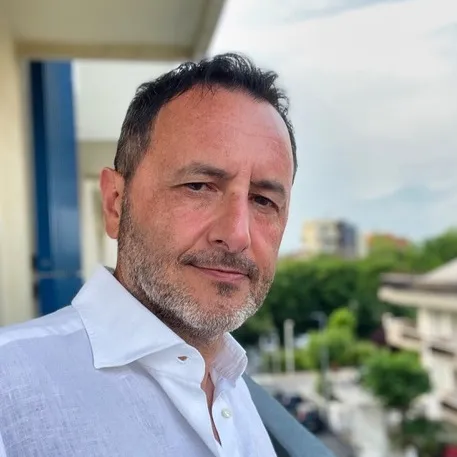
Luigi, Italy
Luigi from Italy shares his experience with diagnosis of pancreatic neuroendocrine tumor.
How were you diagnosed and how long did it take?
On January 30, 2020, I had a routine full abdominal ultrasound, even though I wasn’t experiencing any symptoms. It revealed a suspicious mass about 4 cm in the tail of my pancreas. The diagnosis was confirmed five days later by a CT scan, where the radiologist (who was excellent) immediately suspected a malignant NET (neuroendocrine tumor) in the tail of my pancreas. There were no metastases in other parts of my body, so my diagnosis was practically immediate.
What treatment have you had and how did it affect you then and now?
I then sought care at the Pancreas Institute in Verona. After undergoing a PET scan and biopsy, which confirmed it was a NET G2, I had surgery on March 7, 2020. They removed the tail and part of my pancreas body, as well as my spleen. The surgery was perfectly successful. However, I subsequently experienced severe complications: acute pancreatitis, severe respiratory failure caused by pneumonia (fortunately not COVID-related), a urinary tract infection, and kidney failure. I was admitted to the ICU (Intensive Care Unit) where, for several days, I underwent cycles with a NIV helmet. I sensed, and later confirmed, that the situation was quite serious. This was compounded by the fact that the day after my surgery, Italy went into its first COVID lockdown. Suddenly, while in the ICU, I couldn’t communicate with my family, my partner, or my children, and hospital visits were prohibited. Those were very difficult days, spent completely alone with the oxygen helmet that totally disoriented me (I don’t remember it, but my medical records state I tore it off at least 2-3 times). I also remember the arrival of the first serious COVID patients in the ICU, many of whom, like me, were undergoing NIV helmet treatment. In the end, I miraculously survived and was discharged after about two weeks.
I didn’t receive any other type of treatment either before or after the surgery (I’ve never had chemo), and I don’t get somatostatin analogue injections. I haven’t had any exocrine insufficiency issues (pancreatic enzymes). I am managing my diet and exercising to keep my blood sugar under control, which has increased (glucose intolerance). However, I am not currently diabetic and don’t take insulin. Five years after the surgery, I have a control MRI annually.
On the day of my routine ultrasound, I was completely calm. A few minutes later, my world crashed down. I remember leaving the center and going to get a coffee. I had flashes of my life and thought about what I might no longer be able to do, the many mistakes I had made, and the many things I wished I had done differently. Then I got into my car and searched for information about pancreatic cancer; I was practically resigned. However, when I quickly learned it was a neuroendocrine tumor, I read that the prognosis was significantly more positive than for adenocarcinoma, and I began to hope again.
What impact has the diagnosis had on your personal life?
This experience has certainly taught me to give the right weight to what happens in life, and to avoid wasting time and energy on essentially useless things. Everything can change in an instant, so it’s important to live and appreciate what you have in the present.
What lessons have you learnt along the way?
I’ve also learned the importance of following my instincts and prioritizing preventive check-ups: if I hadn’t had that abdominal ultrasound (again, I had no symptoms), I might not have been here to tell my story.
Who’s been your hero? Perhaps it was you!
I especially want to thank my children, my partner, and my friends who were very close to me, as well as the doctors and all the staff at the Verona Hospital. Together, they helped me face such a difficult ordeal. I chose not to tell my mother, who passed away the year after my surgery, as she was already very elderly. I can also say that I clung to life, especially during my time in the ICU.
Did you get any help from a patient organization during your journey?
For a period, I was followed by an oncological psychologist and a nutritionist from LILT Biella, which is also the center where I had my first control ultrasound. I am a member of NET ITALY ETS, where I’ve been able to connect with people who do exceptional work and who gave me the opportunity to share my story.
How are you now?
Currently (knock on wood, and I pray it continues), I lead a normal life (with some dietary precautions). I want to send a message of hope to the many people who suddenly find themselves facing a cancer diagnosis: especially with neuroendocrine tumors, it’s possible to survive for many years leading a more or less normal life. It’s worth fighting every day, and you must never stop believing in the strength we have within us.
This story was published with Luigi's consent. A video can be watched on International Neuroendocrine Cancer Alliance website: https://incalliance.org/stories/luigi-italy/