


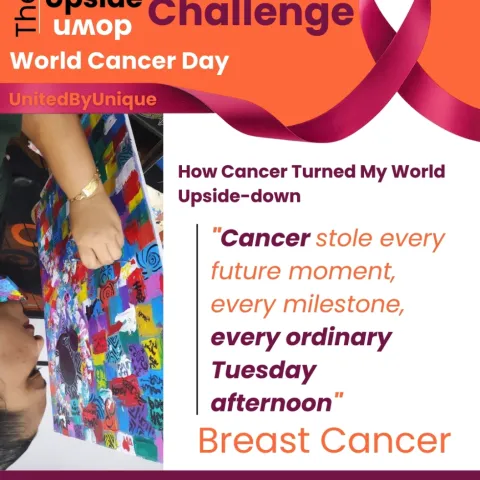
Maya, Papua New Guinea

“They found something. Stage 3.”
Six months. That’s all Maya had of being okay.
After years of hardship, she’d finally found stable ground—a job, a safe room, and her children were home. We folded their clothes as she cried happy tears: “We’re finally going to be okay.”
Cancer doesn’t care about timing.
The lump had spread. Stage 3. Aggressive. The job became a fight to keep. The room filled with bills. Her children watched her disappear.
Her hair fell out. She joked, then cried when her daughter touched her head. Surgery took her breast, her lymph nodes, her hope. But not all the cancer.
Her son, 15, cooked dinners. Her 12-year-old changed dressings. Her 8-year-old stopped asking when Mummy would get better. That silence was the worst sound.
Fourteen months after diagnosis, Maya was gone at 36. That was the beginning of a lifetime of loss for her children. They’ll live 50, 60, 70 years without her. The loss compounds yearly.
This is the cruel inversion. Maya was 35 when she found out. “Too young.” She did everything right. It didn’t matter.
Breast cancer in younger women is often more aggressive, harder to detect. Awareness and early action are critical.
Cancer turns lives upside down forever. But through awareness, education, and action, we can fight to turn things right-side up for others.
Learn the signs. For Maya, and for the children who still need their mothers.
This story was published with the consent of Papua New Guinea Cancer Foundation Incorporated.