


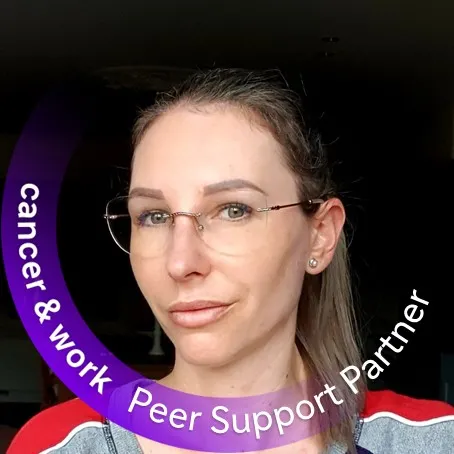
Nathalie, Belgium
The first sign that something wasn’t right was a mild pain in my breast. There was no lump, no bump, nothing visible, not the typical signs that they usually tell you to look out for—just pain. Fortunately, my doctor didn’t dismiss it and immediately ordered a mammogram. The results showed something that “looked suspicious.” Shortly after, a biopsy was performed, which confirmed that it was an aggressive type of breast cancer.
Then came the hardest part: waiting three weeks for a PET scan to check for metastases. During that time, I was fearing for my life.
The physical part of the treatment was relatively easy for me. I was in good shape at the start, and the medical process itself went smoothly. But the real challenge—then and now—has been the uncertainty. The constant questioning of every symptom. The fear that dormant breast cancer cells, if present, might one day “wake up” and spread. Do I have them? What will trigger them? When ? Where ?
No one knows...
What helped me most was having a social network of people who truly understood—people who listened without judging. Many who haven’t been through cancer assume that once treatment is successful, you’re automatically “cured,” “healed,” or “healthy again.” But the truth is no one knows.
What really supported me was being able to tell my story again and again, until I eventually reached a point from where I could move forward and rebuilt myself into the person I was before this all started.
For me, it was essential to be included in every decision about my treatment plan. I did a great deal of research throughout the process, and I needed an oncologist who could handle my difficult questions and discussions—and convincingly explain why a specific treatment was the best option. From the very beginning, I was clear that I wanted both breasts GONE. I know from many women that not all hospitals are willing to support that choice...
I’m grateful that I had the space to ask questions, seek second (and even third) opinions, and ultimately feel confident that I received the best possible treatment.
My advice is to do your best to stay in good shape and good physical condition. It may not prevent cancer, but it can make the treatment process smoother, and afterwards it helps you bounce back more easily into the person you were before. And if you feel you need it—as I did—reach out to volunteers or others who are willing to listen and understand. Sharing your story can help release some of the weight. It makes everything feel a little less heavy.