


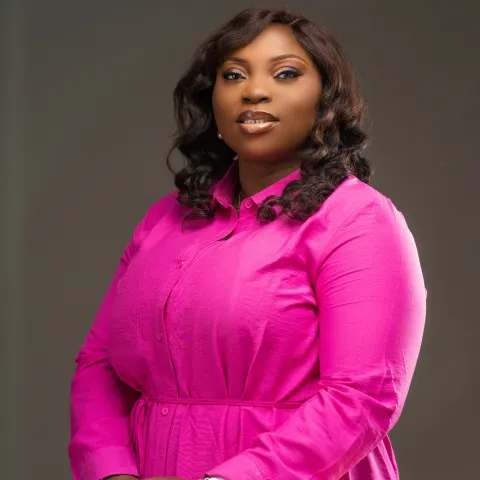
Olushola, Nigeria

It all began one quiet night during my routine monthly breast self-examination, when I felt a small lump in my left breast close to my armpit. It felt unusual, and deep down, I knew I needed to act quickly. The lump was the first and only obvious sign. The very next morning, I visited my doctor, who took my concern seriously and referred me for further investigations, including a lumpectomy. When the results came back, the lump was confirmed to be malignant not benign. How did it make you feel? Hearing the diagnosis was overwhelming. I felt shocked, scared, and unsure of what lay ahead. In that moment, my life felt divided into “before” and “after.” There was fear, but also a strong desire to survive and understand what was happening to my body. Medically, my concerns were addressed promptly, which I am grateful for. However, like many patients, I later realized that while the clinical care focused on treatment, there was little preparation for the emotional and psychological impact especially life after treatment. My background, mental health, and survivorship needs were not fully integrated into my care, and this gap became very clear once active treatment ended. This experience shaped my journey not only as a survivor, but as an advocate committed to ensuring that no one walks through diagnosis, treatment, or survivorship feeling unseen or unprepared.
The biggest challenge in my cancer journey was not just one thing, but the weight of many layers unfolding at the same time. Financially, I faced immense strain and had to make the difficult decision to come out publicly on my social media platforms to seek support. That vulnerability was hard, but it was necessary for survival. Physically, treatment was demanding and exhausting. My body was pushed beyond limits I had ever known, and the side effects affected my strength, appearance, and ability to function day to day. Emotionally, the toll was even heavier. Living with uncertainty, fear of the unknown, and the constant swing between hope and anxiety was overwhelming. When active treatment ended, I struggled the most there was little preparation for life after treatment, and I fell into depression, trying to find my footing again.
What helped me the most throughout my journey was God’s grace, the overwhelming support I received, and the mindset I chose to hold onto. I truly believe God made the journey lighter than it could have been. His presence gave me strength on days when I felt weak and peace when everything felt uncertain. My faith anchored me and reminded me that I was not walking this path alone. The support I received from family, friends, community, and even strangers was immense. Their prayers, encouragement, financial help, and simple acts of kindness carried me through moments when I could not carry myself. Most importantly, I made a conscious decision to choose joy, even in the middle of pain. I chose happiness regardless of circumstances not because it was easy, but because it became a survival tool. That mindset supported my mental and emotional wellbeing and helped me face each day with hope.
My experience with the healthcare system was largely positive. I felt heard, respected, and included in decisions about my care, which made a significant difference during such a vulnerable time. My doctors were truly amazing. My surgeon and oncologist were exceptional knowledgeable, compassionate, and patient. They took time to explain procedures, treatment options, and next steps clearly, which helped ease my fears and build trust. My oncology nurses also played a crucial role; their care, reassurance, and attentiveness supported me through the most challenging moments of treatment. One thing that worked particularly well was open communication. I always attended my appointments prepared with questions, and I never left without having them answered. That sense of partnership made me feel empowered and involved in my own care, rather than passive. Overall, the medical team worked with me, respected my voice, and provided high-quality care ,an experience I remain deeply grateful for.
To anyone facing cancer today, I want you to know this: you are not alone, and your life is not over. Cancer may change your path, but it does not erase your worth, your dreams, or your future. Take it one day at a time. Ask questions. Speak up. Lean on faith, community, and whatever gives you strength. There will be hard days, but there will also be moments of grace, laughter, and hope even in the middle of the storm. Choose joy always and allow yourself to receive help. Healing is not just physical; it is emotional, mental, and spiritual too. Message to the healthcare system: Cancer care must go beyond treating the disease, it must care for the whole person. Patients need to feel seen, heard, and supported not only during treatment, but especially after it ends. Survivorship care, mental health support, clear follow-up plans, and honest conversations about life beyond cancer should be standard, not optional. A more compassionate and inclusive system listens to patients’ voices, respects their lived experiences, and recognizes that healing continues long after the last hospital visit.