


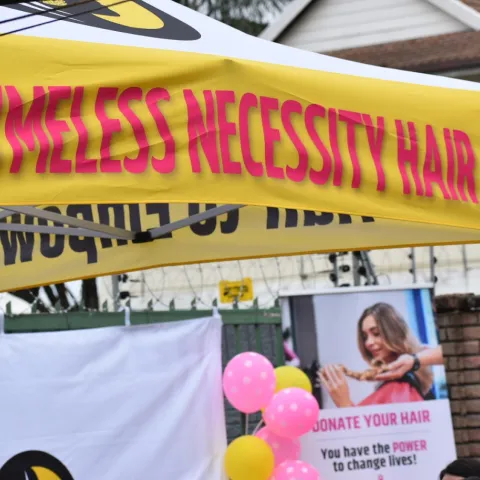
Rani, South Africa
On World Cancer Day, we are reminded that cancer is not just a diagnosis — it is a deeply human experience. For us as wigmakers working alongside CANSA, it begins the moment someone sits in our chair, often just before chemotherapy starts. In that moment, the fear is not only about treatment, but about losing identity, dignity, and control. Hair loss becomes the first visible marker of a journey no one chooses.
Our biggest challenge is advocating for something that is often overlooked: the emotional toll of cancer. Hair loss is frequently labelled as “cosmetic,” yet we see daily how it impacts self-worth, confidence, and mental wellbeing. Patients are encouraged to focus on survival, while quietly grieving the loss of themselves. This silent suffering should never be part of cancer care.
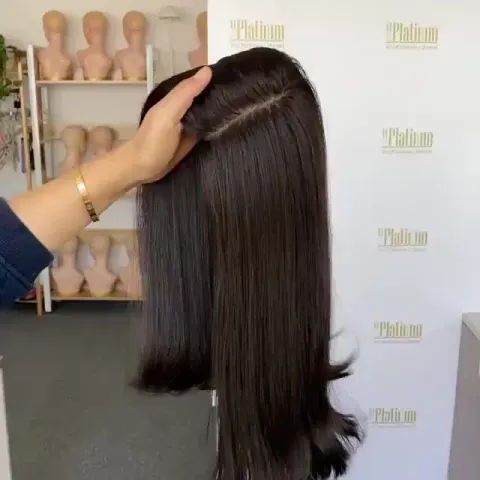
World Cancer Day calls for care that puts people first — and we see the power of this every day. Creating cranial wigs, especially using a client’s own hair before treatment begins, restores choice and dignity at a time when both feel lost. Recognising oneself in the mirror can be life-changing. Being listened to, treated with compassion, and supported through organisations like CANSA reminds patients that they are more than their diagnosis.
We witness a healthcare system filled with committed professionals, yet one that often prioritises clinical outcomes over lived experience. Emotional and psychosocial care — including appearance-related support — remains underfunded and undervalued. World Cancer Day challenges us to close this gap and recognise that holistic care improves resilience, wellbeing, and quality of life.
To those living with cancer: your need for dignity, confidence, and identity is valid. Wanting to feel like yourself is not vanity — it is strength.
To healthcare providers and caregivers: truly people-centred care means listening beyond symptoms.
To policymakers and advocates: World Cancer Day is a call to action. Cancer care must treat the whole person — because living well matters just as much as surviving.