


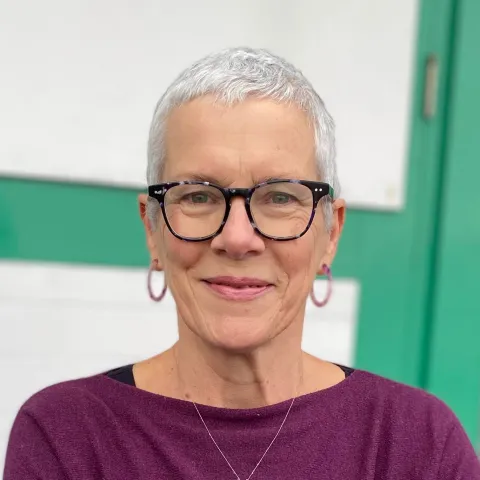
Rebecca, United Kingdom
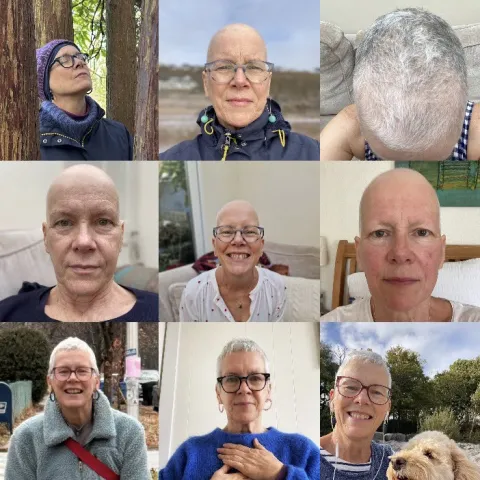
Some of the things I’ve learned over the past 3 years:
Cancer doesn’t end when treatment ends. For many of us, that’s when the hardest part begins. Recovery and healing has only just begun.
The final hospital appointment often comes with very mixed feeling. Relief and the feeling of what happens next, who’s going to take care of me now. It feels like falling off a cliff. The appointments stop. The check-ins from those we love become less frequent. The scaffolding that had supported us throughout treatment disappears.
There’s an unspoken expectation to be “back to normal.” So many shoulds - I should be grateful. I should be happy. I should be relieved. And then there’s the expectation of bouncing back, being resilient and moving on. But bodies are still healing, and minds are often catching up months, even years, later.
Fatigue, fear of recurrence, grief, identity loss, cognitive changes, hormonal shifts and more. These don’t get a discharge letter.
Emotional and psychological support after treatment is limited, fragmented, or inaccessible. This is a HUGE issue. Many of us are left to quietly manage the aftermath on their own.
This is the gap I care deeply about. The after. The space between “you’re clear” and “how do I live now?” The words of Suleika Jaouad resonate with me - “I know how to survive. I just don’t know how to live”.
Supporting women beyond cancer isn’t about fixing or fast-tracking healing. It’s the opposite. It’s about being honest about what recovery really looks like slow, non-linear, deeply human.
We deserve support that acknowledges the whole experience: physical, emotional, psychological, and spiritual. All of this is part of the healing process.
World Cancer Day matters. And not just for awareness and treatment,
but for recognising that survivorship needs care, too.