


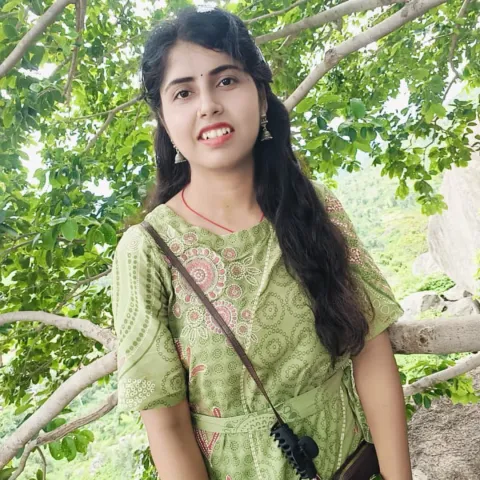
Rishu Kumari, India
Hello, My name is Rishu Kumari, and I am from Bihar, India. Today, I want to share the story of my brother, Abhishek Kumar, who is just 27 years old and is fighting lung cancer.
In March 2024, my brother started experiencing stomach pain and difficulty in breathing. Our father took him to a hospital in Patna. After examination, doctors said that there was fluid accumulation around his heart, and the fluid had to be drained. The fluid was tested, and doctors suspected tuberculosis (TB). However, TB was never confirmed, as the reports were negative. Still, TB treatment was started.
After one month, the fluid around his heart returned. When we asked why this was happening despite treatment, we were not given any clear explanation. Later, we took him to Bangalore, where again all TB tests came back negative. Despite this, treatment for infection continued for four months.
After four months, his condition suddenly worsened. He developed severe breathlessness, extreme weakness, pain in his legs, and could hardly move. We rushed him to a nearby hospital in an emergency. Doctors there told us that his lungs were now filled with fluid. First the heart, then the lungs.
At that point, for the first time, a doctor said something that changed our lives:
“This could be cancer.”
We were completely shocked. My brother has never smoked or consumed alcohol. We could not understand how cancer was even possible.
We then took him to Varanasi, where multiple tests were done—CT scans, angiography, biopsy, and many others. After nearly one month of investigations, the diagnosis was confirmed:
He had lung cancer, and it had already reached the metastatic stage.
Treatment was finally started, but by then it was very late. He was put on targeted therapy, which is extremely expensive. For a middle-class family, affording such treatment is an enormous struggle.
Cancer does not affect only the patient—it breaks the entire family emotionally, physically, and financially. The patient suffers not only from pain but also from constant mental stress:
“How will my family afford such costly medicines? Will my treatment continue?”
We applied for government support and received some financial help, but it was not enough.
Through this story, I want to raise two very important issues.
First, late diagnosis costs lives.
If at the beginning any doctor had suggested a biopsy or cancer screening, my brother’s cancer could have been detected much earlier. Treatment could have started on time, and the outcome might have been very different.
Second, the cost of cancer medicines is unbearable for common families. Even when treatment exists, it becomes meaningless if patients cannot afford it.