


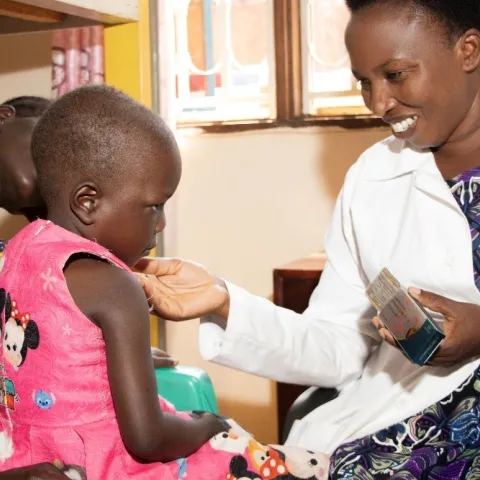
Kawempe Home Care, Uganda shared by Samuel
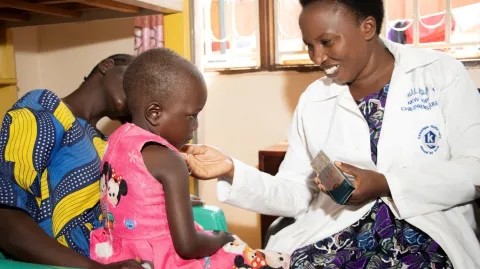
Across Africa, the cancer burden continues to rise. Each year, more than one million people are diagnosed, with many more remaining undiagnosed. For most patients, the cancer journey begins late, when disease is already advanced. At this stage, treatment options are limited, suffering is high, and families face overwhelming emotional and financial strain.
For too many people, relief from pain, counselling, and end of life support are simply unavailable.
Access to prevention, screening, diagnosis, and treatment remains deeply uneven, shaped by shortages of trained health professionals, weak referral systems, limited diagnostic capacity, and high out of pocket costs.
My organisation, the African Palliative Care Association champions palliative care as a core component of comprehensive cancer care to improve quality of life through effective pain and symptom control, emotional and spiritual support, and care for families, needs that remain urgent throughout the cancer journey. Crucially, we promote integration of palliative care from diagnosis, not only at the end of life in line with the United by Unique campaign’s emphasis on dignity, equity, and respect for individual experience.
Health care systems can support people-centred care by capacity building among health care professionals through regional training programmes, and support nurses, doctors, social workers, and allied health professionals to strengthen cancer and palliative care services within their own contexts, often in settings where oncology services are limited or overstretched.
Expanding professional competencies will strengthen service delivery, including the integration of palliative care training in core curricula that have been adapted and translated for use in academia institutions and schools of health sciences,
As Africa confronts a growing cancer burden, people-centred care must become the standard, not the exception. By strengthening health workforces, harmonising training and standards, and engaging policymakers at national and regional levels, we can build resilient cancer care systems that reduce suffering, uphold dignity, and ensure that no one, child or adult, is left behind.