


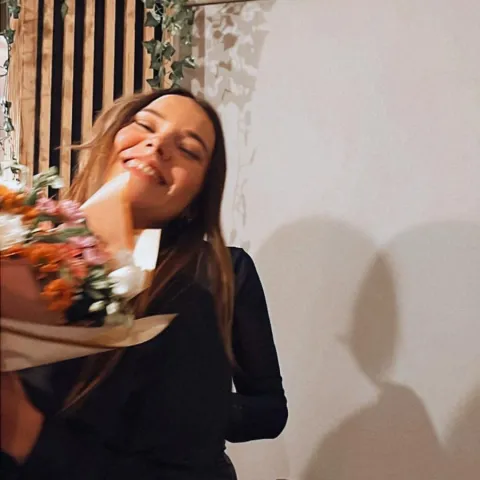
Sara, Portugal
I was 18 when it all began. At first, it didn’t seem like anything serious, just small things that didn’t quite make sense. I had high blood pressure, which was unusual for my age, and a constant feeling that something in my body wasn’t right. I was always exhausted, but I told myself it had to be stress from school, normal teenage pressure, nothing more.
The tiredness was the most persistent sign. It wasn’t the kind of fatigue that disappears after a good night’s sleep, it felt heavier, deeper. Even so, I tried to ignore it. When I finally had blood tests done, the only thing that showed up was high calcium. Everything else looked normal. Still, my doctor thought it would be wise to check my thyroid, just to be sure. That decision changed everything.
After that, things moved quickly, and my memories of that time feel like a blur. The moment that stands out most is the day the letter arrived with the diagnosis. Reading those words felt unreal. I couldn’t believe it was happening to me, especially me, someone who had always been careful, responsible, and attentive about my health. It didn’t make sense. It felt unfair.
Inside, I was overwhelmed with anger and sadness. I felt scared and shaken, but I didn’t show it. I kept those feelings to myself and tried to stay strong for everyone around me, even when everything inside felt like it was falling apart
The biggest challenge came later, during remission, the phase everyone expects to be the “happy ending.” Instead, it was filled with scanxiety, the quiet fear that lives between check-ups and test results. Every exam brought hope, but also the terrifying possibility of bad news. Living in that in-between space was exhausting in a completely different way.
Then, at 26, one of my biggest fears became real. A metastasis appeared in the same location. Hearing that felt like the ground dropping away all over again. This time, though, things were different. The disease was considered stable, and because of that, my doctors decided to wait before starting treatment again.
Waiting sounds simple, but it’s not. It means living with uncertainty every day. It means knowing something is there but not actively fighting it yet. It’s a strange mix of relief that it’s stable and fear of what that stability might turn into. It’s learning to live a normal life while carrying something so heavy in the background.
What helped me most through all of this were the people around me. My parents and friends were my support system, offering love, presence, and moments of normality when I needed them most. Books became an escape and a way to rest my mind from constant worry. Keeping my time occupied with routines and goals also helped me cope, giving structure to my days and preventing fear from taking over completely.