


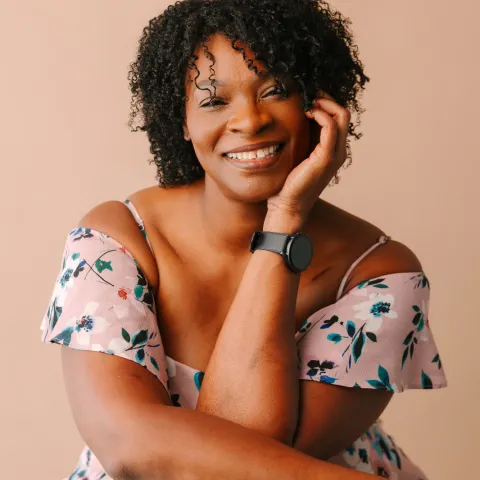
Shorline, Cayman Islands
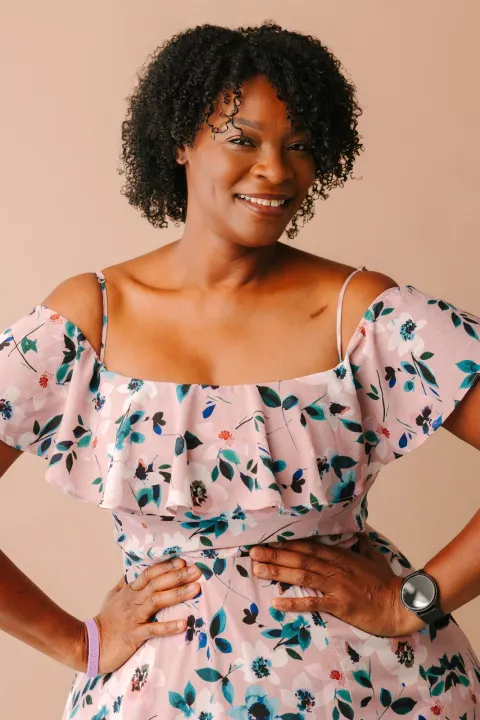
My journey began quietly, with a sense that something wasn’t right in my body. After finding a lump that revealed something unusual, I underwent a biopsy. Deep down, I suspected the news wouldn’t be good. On January 7th, 2020, I received the call that would change my life: “Can you come in today? Your biopsy results are back.”
In that moment, I knew. Sitting in the doctor’s office alone, I heard the words I feared most: “I’m afraid it’s cancer.” Time slowed, and her voice became an echo as my body went numb. While she explained the treatment options, all I could think was how to tell my boys and my mother.
At that moment, everything felt clinical. Though my doctor was kind, I was just another patient in a long day, with no one to lean on. When I later broke the news to my family, I realized the diagnosis affected us all. Cancer had slipped quietly into my life, but once it was named, it stormed in and changed everything.
When I reflect on my cancer journey, it's difficult to pinpoint a single challenge. Cancer impacts every aspect of life—physically, emotionally, financially, and spiritually. However, if I had to highlight the toughest parts, I would say this:
1. The emotional toll was immense — fear, loneliness, and the weight of my family’s pain. Hearing “I’m afraid it’s cancer” shattered me, but seeing my loved ones suffer hurt even more. My mother’s silent heartbreak, my sisters’ tears, and my boys trying to be strong cut deeper than any physical pain.
During the pandemic, I faced chemotherapy alone, receiving devastating news in isolation. Even after treatment, I struggled with anxiety, insomnia, depression, and the lingering fear of recurrence, all while feeling the pressure to “be okay” for everyone else.
2. Cancer treatment feels like an unprepared marathon. It includes surgeries, chemotherapy, and radiation, but also unspoken side effects: fatigue, hair loss, weight changes, and later, insomnia and lingering aches. While many discuss chemo, few address survivorship and the enduring physical effects that last long after treatment ends.
3. The Mental Battle — A Hidden Struggle
Outwardly, I appeared to be smiling, working, and raising my boys.
Behind closed doors, there were sleepless nights, days I felt like disappearing, and moments of questioning if I would ever feel “normal” again.
Life after cancer often felt harder than the treatment itself.
4. The financial pressure during the pandemic.
Traveling for surgery and staying in Tampa amidst rising COVID cases was stressful. The loss of the ability to travel for care, along with medication costs, made life overwhelming during such a global crisis.
That’s why the support from the Breast Cancer Foundation was a blessing. The meals, juices, post-op bras, and emotional support relieved a weight I didn’t realize I was carrying.
5. Redefining life after cancer.
Once treatment ended, everyone expected me to return to my old self, but cancer changed everything—my priorities, worldview, and purpose. Quitting my corporate job in June 2021 and joining the Cayman Islands Cancer Society allowed me to reclaim my life. I wanted to support others on their journey and advocate for prevention, helping heal parts of me that medicine could not.
The biggest challenge? All of it, especially the emotional battle. Cancer tested both my body and spirit, but through every challenge, I kept fighting— for my boys, my family, myself, and for those who needed to see that survival is possible.
Reflecting on my cancer journey, I realize I didn’t survive on my own strength. A blend of faith, love, and support lifted me when I was too weak to stand.
1. **My Faith** — My relationship with God provided comfort during sleepless nights and overwhelming fear. Scriptures like “For God has not given us the spirit of fear…” became my anchor.
2. **My Family** — Though not always physically present, their unwavering love fueled my fight. I drew strength from my mother's quiet resilience and my boys’ unwavering spirit.
3. **My Friends** — Their messages and unexpected gestures reminded me I was not alone, especially their cheers on my final chemo day, which revived my spirit.
4. **The Breast Cancer Foundation** — Their support, including meals, wellness sessions, and understanding listeners, softened the challenges of my journey.
5. **My Church Community** — Their prayers and encouragement helped me focus on hope amid pain.
6. **My Mindset** — I made a daily choice to keep moving forward, celebrating small victories amidst anxiety and fear.
7. **My Purpose** — Leaving my corporate job to support others through the Cayman Islands Cancer Society transformed my pain into purpose, helping me heal.
Ultimately, what helped me most were faith, family, friends, community, and a sense of purpose. These were the guiding hands and lights that led me to thrive today.
My experience with the healthcare system was a blend of gratitude, fear, and support during a challenging time.
**The Diagnosis**
When my doctor called with the biopsy results, I already sensed the news wouldn’t be good: “I’m afraid it’s cancer.” Despite the shock, she explained the next steps with clarity and compassion, making me feel heard and respected.
**Surgery in Tampa**
Traveling for surgery at the start of the pandemic was scary, but the surgical team was professional and kind. When I stepped into Moffitt Cancer Center, I felt like I was the only patient there. They listened to my concerns and allowed me to go home early once my reports cleared me.
**Chemo During a Pandemic**
Receiving chemotherapy alone was isolating. However, the nurses provided exceptional care, explaining every step and offering comfort without diminishing my feelings.
**Coordination and Continuity**
Despite the chaos of the pandemic, the coordination between my surgical and oncology teams went smoothly.
**What went well?**
- I felt listened to and respected.
- The oncology nurses were exceptional.
- My treatment continued safely.
**What could have been better?**
- More emotional preparation for procedures.
- Recognition of long-term side effects.
- Guidance on post-treatment mental health support.
Overall, I felt cared for and included in my decisions. While the system had its flaws, the support I received helped me reclaim my life. They didn’t just treat my cancer; they truly cared for me.
**My Message of Hope & Advice**
To anyone facing cancer today — this is for you.
I know you’re afraid, and the word cancer can feel overwhelming. The waiting and uncertainty can keep you up at night.
But hear this: You are stronger than you think. Some days will be tough, filled with tears and exhaustion. But there will also be days when you surprise yourself with your strength and determination.
Every step forward counts. You are not alone; there are people and communities ready to support you.
Know your body. Trust your instincts. Advocate for yourself, even when it’s hard, because your life is worth fighting for.
Give yourself grace. Celebrate small victories. Healing is not just physical; it encompasses emotional and spiritual wellness too.
You are not defined by your diagnosis. You are defined by your courage.
**A Message for the Healthcare System**
To all healthcare professionals involved in cancer care — here’s what we need from you:
Hear us.
See us.
Treat us as people, not cases.
Patients remember your tone, reassurance, and willingness to listen. Cancer is not just a medical journey; it encompasses emotional, financial, and spiritual dimensions. We need a system that recognizes that survivorship continues beyond treatment.
Acknowledge the ongoing side effects, fears, and anxieties. We need more compassion, communication, and resources for mental health. It’s essential to provide culturally sensitive care and take the time to explain procedures.
When the healthcare system collaborates with us, we heal, cope, and survive better.
And finally…
To everyone walking this road:
There is life after cancer. A full, beautiful, meaningful life.
I am living proof.
Remission didn’t erase my scars or my struggles, but it gave me a deeper appreciation for every sunrise, every laugh, every quiet moment of peace. Cancer changed me — but it did not break me.
And it won’t break you, either.
Keep fighting. Keep believing. Keep showing up for yourself.
One day, you’ll look back and realize you survived what once felt impossible.
And that is hope.