


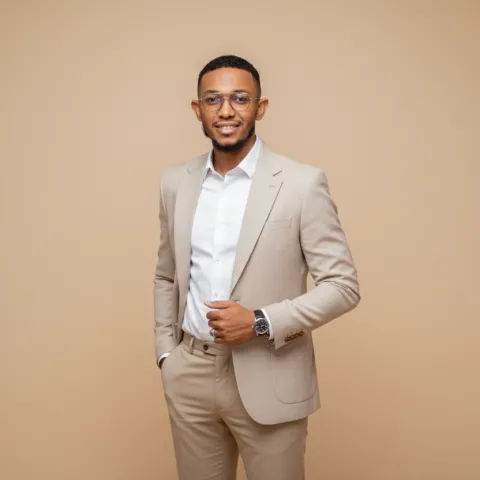
SHOSI, Kenya
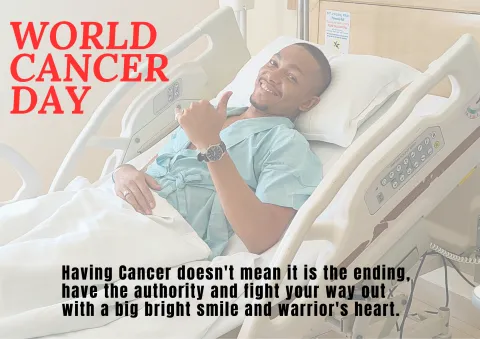
The symptoms started after I had surgery for a hiatal hernia. My recovery took much longer than expected, and with each passing day I felt weaker. My haemoglobin levels dropped significantly, I experienced extreme night sweats, persistent itching all over my body, and noticeable weight loss, which at first I thought was due to being on a liquid diet. I also developed a cough and, at times, shortness of breath.
Despite knowing something wasn’t right, it took a long time to get answers. I visited eight different specialists before a cardiologist finally identified a mediastinal mass on the left side of my chest. I was then referred to an oncologist. My diagnosis was ultimately confirmed after a bone marrow biopsy, followed by a PET-CT scan.
Receiving the diagnosis was overwhelming and frightening. The long delay made me feel unheard at times, and it felt as though my concerns, background, and personal situation weren’t fully taken into account early on, which made the journey even more emotionally exhausting.
The biggest challenge for me was not the physical treatment. I am a man of faith, and I knew from the beginning that I would fight to the best of my ability. What weighed on me most were concerns about the healthcare system and the responsibilities I carry.
Coming from Kenya, I am aware that we still have a long way to go in terms of healthcare. I wasn’t confident that I would receive the right treatment from the right specialists, and navigating the system was stressful and uncertain. Financially, the situation was also challenging. For many years, I have been responsible for my elderly parents, and I support my whole family wherever I can, especially my four little angels, my sister’s children, who lost both parents. Facing cancer while carrying these responsibilities was overwhelming, and I worried constantly about how I would manage it all.
In a country where access to quality healthcare often depends on money, those uncertainties were emotionally heavy and, at times, more difficult than the illness itself.
What helped me the most throughout my journey was my spiritual life. As I’ve said, I am a man of faith. Many of my role models come from the Holy Qur’an, and one thing they all had in common was suffering. They endured hardship and trials, and that gave me perspective. I came to believe that my breakthrough would only come through accepting God’s decree and asking Him to show me a way out. I trusted that if God allowed me to go through this, He would also walk with me through it.
My friends also played a huge role, especially a couple I deeply treasure. At first, I couldn’t share my diagnosis with my family because I was afraid of how they would take it. I had already taken four months of unpaid leave and couldn’t travel home. This couple gave me shelter, accompanied me to every clinical review, and became my caregivers until I was ready to tell my family. I pray that God blesses them abundantly, grants them health, happiness, and protection, and rewards them for their selfless love and care.
When I eventually shared my diagnosis, my family took it better than I had feared. Despite their initial worry, they supported me fully, and their encouragement became a source of immense strength.
In the middle of fighting for my own life, I lost my father, just two weeks before my autologous stem cell transplant. His death became a powerful motivation for me. It made me realize how suddenly we can lose the people we love, and I knew I had to be strong, not only for myself, but especially for my mother and the rest of my family. Even in grief and fear, my family stood by me, encouraging me, praying for me, and reminding me that I was not alone. Their love and unwavering support gave me courage when I felt weakest and reminded me what I was fighting for.
I want to acknowledge my right-hand brother and close friend, whom we nicknamed **Laka Jay**. He was my schoolmate, dorm mate, and decker mate, we shared a double-decker bed back in high school. Over the years, our friendship grew into true brotherhood. I have immense respect for him. He played a major role in keeping me spiritually grounded, especially during my darkest moments. He inspired me to give charity whenever I could, to wake up in the last third of the night to cry to God, and, most importantly, to never back down. He is a true brother who always believed in me, even when I struggled to believe in myself.
I also want to acknowledge my deskmate at work. Since my surgery and diagnosis, I wasn’t at my best—mentally or physically. She ensured the department ran smoothly, taking on not only her own responsibilities but also mine, without a single complaint. It was a tremendous burden, yet she handled it with grace, giving me the space and opportunity to focus entirely on healing. Her patience, dedication, and quiet kindness meant more than I can ever express.
And then there was my wife, who at the time was just a friend. During my most vulnerable moments, she stood by me with patience, kindness, and unwavering support. She helped me stay positive when fear crept in, reminded me to have faith when my strength faltered, and showed me that love can be a quiet, steady force even in the darkest times. Even while I was still fragile, I knew I didn’t want to face life without her, and I proposed. She said yes. She accepted me fully as I was and chose to stay by my side. After my remission, we got married. What more could I ask for in a partner?
The nurses and doctors were also incredible. Particularly during the transplant period, they made me feel seen, heard, and valued. They constantly reminded me why I needed to stay strong, and their compassion and professionalism became a lifeline during the hardest days.
Faith, friendship, family, compassionate healthcare, and the love and support of these remarkable people carried me through the most challenging moments of my life. Looking back, I see that every act of kindness, every prayer, and every word of encouragement formed a network of strength around me, allowing me not just to survive, but to find hope, love, and purpose in the journey.
My experience with the healthcare system had two very different sides. I met doctors who treated me like a file, and others who treated me like family, and that made all the difference. Because of this, I experienced both feeling heard and, at times, overlooked.
My first oncologist helped me a great deal, and I am genuinely grateful for the good he did for me. However, there were moments when I felt excluded from key decisions. At one point, he stopped a targeted therapy and switched me to a stronger, more toxic treatment that did not produce good results. This decision delayed my transplant because my heart needed time to heal. He also suggested an allogeneic transplant and asked that my siblings be tested, which was emotionally and physically overwhelming.
My second oncologist had a very different approach. She is from India and was recommended to me by a close friend who is also a doctor. By chance, she was in Kenya for a workshop, and we were able to meet. One of the first questions she asked was why my targeted therapy had been stopped. She initially assumed it was due to cost, but the medication had been fully sponsored by Axios International. About 34 vials had been provided, yet I only received 12, and to this day, I do not know what happened to the rest. That moment made me realise how important transparency and patient involvement truly are. After reviewing my case, she recommended an autologous stem cell transplant, which aligned better with my condition and ultimately led to better outcomes.
Throughout my treatment, the nurses under both oncologists were exceptional. They went beyond expectations, offering compassion, reassurance, and genuine care.
Overall, the healthcare system both supported me and failed me in different ways. Still, I am grateful to have made it through. I am a proud cancer survivor and patient advocate, helping wherever I can, because I know firsthand how even a simple smile can mean everything to someone battling cancer.
To anyone facing cancer today, my message is this: do not lose hope. Cancer is frightening, but it is not the end of your story. Hold on to faith, whatever form that takes for you, and believe that your life still has purpose. There will be days when you feel weak, afraid, or overwhelmed, and that is okay. Strength does not mean the absence of fear; it means choosing to keep going despite it. Ask questions, seek clarity, and never be afraid to speak up for yourself. Your voice matters in your care.
Surround yourself with people who genuinely care, friends, family, fellow patients, and caregivers. Accept help when it is offered. Sometimes, survival is not just about medicine, but about love, community, and the small acts of kindness that remind you that you are not alone.
To the healthcare system, my message is simple but important: treat patients as people, not files. Transparency, communication, and patient involvement should never be optional. Patients need to be included in decisions about their care, especially when those decisions affect their future, their families, and their dignity. Compassion should be as essential as treatment, and care should consider the patient’s social, emotional, and financial realities, not just their diagnosis.
Cancer care becomes truly powerful when science is paired with humanity. When patients feel seen, heard, and valued, healing goes beyond the body. I stand today as a proud cancer survivor and patient advocate, living proof that hope, faith, and compassionate care can change lives.