


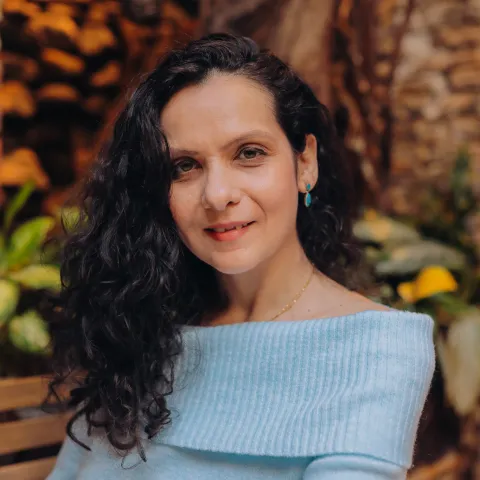
shruti, United States
n 2016, at the age of 34, my life was already falling apart before cancer entered the picture. I was going through a divorce, forced to shut down my fashion store, and living in a constant state of stress. I was exhausted all the time — physically, emotionally, mentally. Fatigue had become my baseline. Hormonal issues were ongoing, but I kept pushing through because that’s what I thought strength looked like.
In March that year, I found a lump. What followed moved fast — an X-ray, then an incision, then a biopsy. The diagnosis was Hodgkin’s Lymphoma. It was earth-shattering. I remember thinking this had to be a bad dream — something that happens to other people, not me. In that moment, everything I thought I knew about my life and my body collapsed
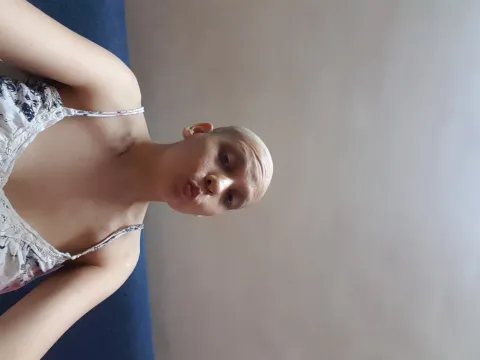
n 2017, I began chemotherapy. It was one of the hardest experiences of my life. I lost my hair — something I deeply loved and identified with — and with it, parts of who I thought I was. Treatment stripped me down physically and emotionally, forcing me to confront fear, loss, and vulnerability in ways I never had before.
At the same time, I knew I needed more than just survival. I chose an integrative path, trying to bridge conventional treatment with holistic healing. I worked on my emotional health, chronic stress, and nutrition alongside chemotherapy. None of it was easy. Healing demanded discipline, surrender, and trust. But I was deeply determined to get well — not just to live, but to truly heal.
What supported me most was my family — especially my parents — who became my anchor when everything felt uncertain. Their presence, strength, and quiet support carried me through the darkest moments. I also found comfort in reading about other people’s cancer journeys; knowing I wasn’t alone gave me courage on days when mine felt unbearable.
Yoga and meditation became my refuge. They helped me reconnect with my body when I felt disconnected from it and taught me how to breathe through fear. Most importantly, I began releasing years of suppressed emotions — grief, anger, resentment — emotions I had never allowed myself to fully feel. Healing required taking responsibility for my own inner work. Letting go of anger and choosing forgiveness became a turning point in my recovery.
I was fortunate to have an excellent oncologist who was compassionate and understanding throughout my treatment. Over time, he acknowledged and appreciated the way I took responsibility for my nutrition and lifestyle alongside chemotherapy. The nurses were deeply caring, attentive, and supportive, and my overall treatment experience was smooth and well-managed.
What felt missing, however, was a deeper integration of mind–body care. While the medical treatment addressed the disease effectively, there was little structured support for emotional processing, stress regulation, or the psychological impact of cancer. I believe true healing is most powerful when the body and mind are treated as one.
My message is simple: don’t disconnect from your body. Listen to it. Ask questions. Take responsibility for your healing while trusting the medical care you receive. Healing happens when treatment and self-care walk together.