


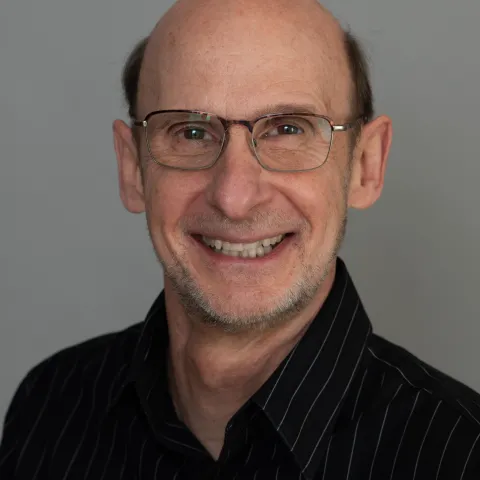
Steve, United States

I had no symptoms and no clue that I had cancer. I simply went to my annual physical exam where my doctor ordered a routine complete blood count. It revealed that my white blood cell count was dangerously low. He referred me to a hematologist who did a bone marrow biopsy that found acute myeloid leukemia with 50% blasts in my bloodstream. If not for that annual physical exam, I would have become a lot sicker before I was diagnosed and treated. Then came multiple hospital stays for induction chemotherapy, consolidation chemotherapy, and a double umbilical cord blood stem cell transplant. My treatment was successful and I remain cancer almost ten years later. This was the best possible outcome for which I am profoundly grateful.
I knew nothing about leukemia when I was diagnosed. It was a very steep learning curve and I had to make critical decisions about treatment, transplant, and a clinical trial with my life on the line. This occurred alongside debilitating side effects from chemotherapy and the tedium of lengthy hospital stays. But I received excellent medical care and social support that nurtured my resilience to meet these challenges
I relied on a “six-pack” of coping strategies. Mindfulness, meditation, and yoga kept me grounded. Physical exercise and hospital hall walking kept me active. Being a proactive patient fostered a collaborative relationship with my doctors. Maintaining my sense of humor with doctors, nurses, friends, and family created many uplifting moments. Relying on a secular worldview and a scientific understanding of my disease and treatment helped me understand my situation. Writing my story in numerous email reports to family and friends was therapy for me that brought a deeper understanding of my cancer odyssey.
For most of my life, I never had any serious medical issues so doctors never took me very seriously. Cancer care was different. My doctors and nurses combined skill and expertise with compassion and empathy in ways I will never forget and can never repay. The experience left me with profound appreciation for the medical practitioners that cared for me.
When undergoing cancer treatment, distinguish between what you can and cannot control. Do everything you can over what you can control. Nurture your identity. Befriend your nurses. Create daily routines that provide meaning and purpose. Advocate for yourself and be a full participant in medical decisions and your care.