


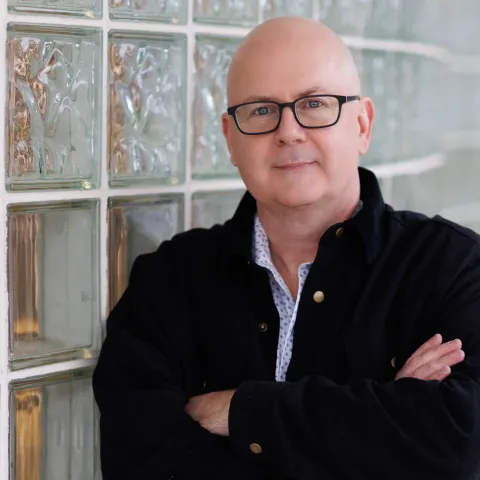
Steve, United States
It started slowly, and in hindsight, with a lot of denial.
In the months prior to graduating high school, I noticed an unusual swelling on the left side of my neck. At first, it felt more like discomfort than pain, assuming I had slept on it wrong, a crick in my neck . Even when the swelling became visible in the mirror, I made excuses. I was eighteen, felt healthy, and believed I was invincible. Cancer simply wasn’t something I thought could happen to someone my age.
As the weeks passed, the swelling grew larger and harder to ignore. I still found a way to do so though. What finally forced the issue wasn’t a doctor, it was a nurse. A friend’s mother noticed my neck one evening and immediately urged me to get it checked. Her concern cut through my denial in a way nothing else had. She told me if I didn't tell my parents, she would.
That set off a rapid chain of events: urgent care, an ENT specialist, and a biopsy to remove a mass from my neck. It was the size of a grapefruit. Even then, I wasn’t worried. I was told there was only a 30 percent chance it was cancer, and I focused on the other 70 percent. The biopsy results came back on the Fourth of July, 1986. The phone rang early that morning, and the doctor told my parents and me that I had Hodgkin’s, a form of cancer.
I barely heard anything after that. At eighteen, being told I had cancer felt unreal. My mind went numb. I felt shock, fear, and disbelief all at once. I was more focused on what I was about to lose; my independence, my social life, my sense of normalcy - rather than on what lay ahead medically. What upset me the most? When the surgeon informed me I couldn't drink alcohol anymore. No more parites. At the time, that was all I cared about.
At that stage, I don’t think my age or personal situation were fully taken into account in the way I needed. I was treated efficiently and professionally, but emotionally, I felt like a kid trying to understand adult news without the tools to do so. Over time, individual caregivers, especially one specific nurse, made a difference by showing empathy and treating me like a person, not just a diagnosis. Those moments stayed with me.
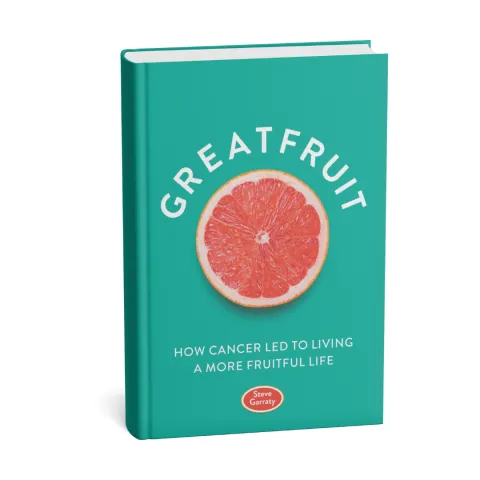
That phone call marked the end of one life and the beginning of another. What began as a lump I tried to ignore became the defining turning point of my life. First it saved my life by putting me on a different path. In time, perspective allowed me to see the benefits that came from my experience, that would eventually make me the husband, father, friend, christian, and business leader I would become. It let to a second, better life. It ultimately became the foundation for the perspective, gratitude, and purpose that I write about in my book: Greatfruit: How Cancer Led to Living a More Fruitful Life.
The biggest challenge was not just the physical treatment, although that was brutal. It was the emotional and psychological toll.
Chemotherapy was harsh and relentless. The nausea, exhaustion, hair loss, and constant fear of what each treatment was doing to my body wore me down physically. My life quickly became structured around hospital visits, blood counts, and waiting rooms. The loss of control was overwhelming. I went from feeling invincible to feeling like my body had betrayed me.
But the emotional weight was even heavier. I was eighteen years old and completely unprepared to process the reality of cancer. I struggled with fear, denial, and anxiety, often cycling between false optimism and worst case thinking. The waiting was agonizing. Waiting for test results. Waiting to hear what stage it was. Waiting to find out if treatment was working. Not knowing was sometimes harder than knowing.
I also struggled deeply with identity. Cancer stripped away the version of myself I thought I was. My social life disappeared overnight. Being told I could not drink, party, or live the carefree life my friends were living felt devastating at the time. I did not yet understand survival. I only understood loss.
Watching the impact on my family was another major challenge. Seeing my parents terrified while trying to stay strong for me was painful in ways I did not expect. Their fear made the situation feel even more real, and I carried guilt for what they were going through because of me.
Financial stress and navigating the healthcare system were present, but they were largely shouldered by my parents. What stayed with me most was how alone I felt internally, even when surrounded by people who cared. Cancer isolated me inside my own thoughts and fears.
Looking back, the greatest challenge was learning how to sit with uncertainty and fear without letting it define me. That struggle shaped the person I became and ultimately led to the perspective that defines my life today.
What helped me most was a combination of people, mindset, and faith. I would not have made it through cancer without all three.
My parents were my foundation. They carried the weight when I could not. They handled the logistics, the appointments, the fear, and the financial stress, often shielding me from how heavy it really was for them. Their constant presence and unwavering belief that I would get through this gave me stability when everything else felt uncertain.
My brother and sister also played an important role. They were young, yet they carried their own fear quietly. Watching them process my illness helped me see how deeply cancer affects an entire family, not just the person diagnosed. Their support reminded me that I was not fighting for myself alone.
One nurse stands out even today. She went far beyond her job description. She treated me like a human being, not a chart or a diagnosis. Her compassion, calm voice, and genuine care made some of the hardest days bearable. When you feel powerless, that kind of kindness matters more than people realize.
Two close friends showed up in ways I will never forget. They took me to treatments, sat with me when I had nothing left to say, and found ways to make me laugh when laughter felt impossible. They did not disappear when things got uncomfortable. Their loyalty gave me strength when mine was gone.
Mentally, a book called Getting Well Again helped shape how I approached treatment. It introduced me to visualization techniques that allowed me to imagine my body healing and the cancer shrinking. At a time when so much felt out of my control, visualization gave me a sense of control and hope.
There were moments when I truly did not think I could go on. Physically exhausted. Emotionally drained. Afraid of what might come next. In those moments, my faith carried me. God gave me strength when I had none left. Even when I questioned everything, I never felt completely alone. I believe He was with me, guiding me through the darkest parts of the journey.
After treatment, once I was declared in remission, I watched the movie It’s a Wonderful Life for the first time that Christmas. It changed me. The message about perspective, gratitude, and the impact one life can have resonated deeply. It helped me reframe my cancer experience. Instead of seeing it only as something that was taken from me, I began to see what it had given me. A clearer sense of what matters. A deeper appreciation for life. A commitment to live differently and more intentionally.
That shift in perspective stayed with me. Cancer did not just help me survive. It taught me how I wanted to live.
My experience with the healthcare system was a study in extremes. I saw both how broken it can be and how powerful it can be when done right.
At the beginning of my treatment, my oncologist required payment at the time of each chemotherapy session. My parents had to pay out of pocket and then submit claims to the insurance company for reimbursement. Halfway through my treatment, this became a major source of stress. At one point, my mother asked the office if they could wait just three days before cashing a check. They refused and told us not to return for treatment unless the payment was immediately available.
In that moment, the system completely failed us. There was no compassion, no flexibility, and no acknowledgment that we were already under enormous emotional and financial strain. I was a scared eighteen year old fighting cancer, and my parents were doing everything possible to keep me alive. The focus on money over care was devastating and dehumanizing. That experience made it clear that we were not being seen as people, but as transactions.
That moment forced a critical decision. My parents told that oncologist what he could do with his payment policy. We changed oncologists, and it changed everything.
Our new doctor was the complete opposite. He was compassionate, empathetic, and present. He listened. He explained things clearly. He respected my parents and included us in decisions about my care. He was always on time, never rushed, and genuinely invested in my well being. For the remainder of my treatment, I felt like a person again, not a problem or a billing issue.
That experience showed me how much the human side of healthcare matters. Skill and expertise are essential, but so is empathy. When the system worked with us, it gave us confidence, trust, and hope. When it failed, it added unnecessary fear and stress to an already overwhelming situation.
Looking back, the biggest lesson was that patients and families need to be heard and treated with dignity, especially when they are most vulnerable. When that happens, healthcare can be life changing in the best possible way.
If you are facing cancer today, my first piece of advice is this. You do not have to do it alone. Lean on the people who love you, even when it feels uncomfortable. Let them help. Let them sit with you. Let them carry you when you are tired. Strength does not mean isolation. They may not know what to say, but let them be present for you.
Lean on your faith as well. There will be moments when you feel afraid, exhausted, and unsure you can keep going. I had those moments. In the hardest times, my faith gave me strength when I had none left. Even when answers feel distant, trust that you are not walking this road by yourself.
Hold on to hope and remember that better days are ahead, even if you cannot see them yet. Cancer has a way of shrinking your world down to appointments, treatments, and test results. Try to lift your eyes beyond the moment you are in. Healing is not always linear, but progress is happening even when it feels slow.
As you move through treatment and eventually exit it, allow yourself to reflect on how this experience might change you. Adversity has the power to transform us if we let it. Cancer taught me perspective, gratitude, empathy, and a deeper appreciation for life. You may not choose this journey, but you can choose how it shapes the person you become.
For the healthcare system, my message is simple. Compassion matters as much as competence. Patients need to feel heard, respected, and treated like human beings, not schedules or billing policies. Small acts of empathy, listening, and flexibility can make an enormous difference during the most vulnerable moments of someone’s life.
I wrote Greatfruit to share these lessons and to offer a roadmap for navigating adversity with perspective and purpose. It is not just a story about surviving cancer. It is about finding meaning through hardship and learning how to live a more intentional, grateful, and hopeful life on the other side.