


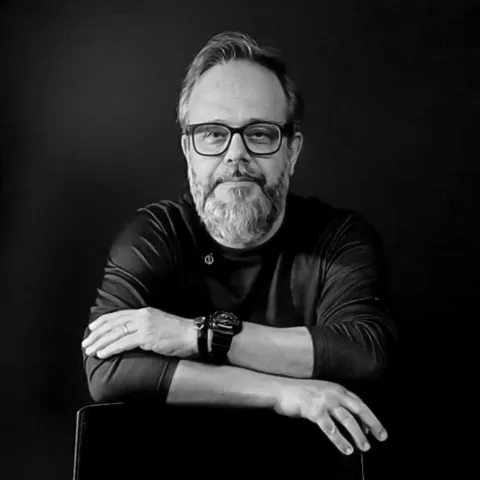
Tyto, Brazil
My prostate cancer journey began the way it does for many men: in silence.
The diagnosis was a shock — fear, uncertainty, and countless unanswered questions. Like so many others, the cancer arrived quietly, without obvious symptoms, but with an overwhelming emotional impact.
Early diagnosis made all the difference. It didn’t erase the fear, but it opened a real path toward treatment and hope.
I underwent prostatectomy, and as many men only discover afterward, treatment does not end with surgery. The aftereffects are real.
My biggest challenge has been urinary incontinence after prostatectomy. I am now one year into recovery — and it has been a physical, emotional, and psychological process that is rarely discussed, yet deeply affects self-esteem, daily life, and family relationships.
Cancer was not only about “removing a tumour.” It changed the way I moved through the world, the way I worked, and the way I saw myself as a man.
After the surgery, I felt an enormous relief to know that the cancer had not ruptured the prostate capsule.
That was the moment everything changed for me: I chose not to live this experience in silence.
That decision led to the creation of Projeto Próstata Sem Tabu (Breaking the Prostate Cancer Taboo) and a YouTube channel where I share my real experiences: diagnosis, treatment, challenges, progress, and the questions no one prepares you for.
Along this journey, I realised something powerful: sharing helps.
It has helped other men and their families face this delicate moment with more information, less guilt, and less taboo.
Receiving messages from men who decided to see a urologist, talk to their families, begin treatment — or simply stop feeling alone — has helped me more than I can explain.
I am grateful for the medical care that led to early diagnosis and to the confirmation that the cancer had not broken through the prostate capsule. That information gave me real hope.
But my experience also taught me that cancer care often focuses on what happens in the operating room — and not enough on what happens after.
Many men are not fully prepared for the physical and emotional aftermath of treatment. Urinary incontinence, changes in sexuality, and the psychological impact are deeply real, and they deserve more attention, information, follow-up, and compassion.
Patients don’t only need treatment. They need guidance, dignity, and support for life after treatment.
I am not a doctor. I am a patient — an ordinary man who chose to turn vulnerability into information, support, and honest conversation.
Talking openly about prostate cancer, sexuality, incontinence, and fear is not easy… but it is necessary.
Prostate cancer changed my life.
Sharing my story gave it meaning.
If my experience helps even one man seek early diagnosis or face treatment with greater clarity and dignity, then this journey has already been worthwhile.
Early diagnosis saves lives — but honest conversation saves people too.
And for anyone facing cancer today: don't go through it in silence, seek professional and family support.