


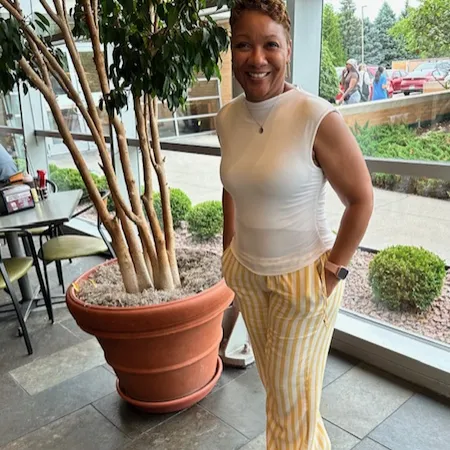
Wenora, United States
My cancer journey began with what I thought was routine care. A simple screening test led to my first diagnosis of Colorectal Cancer. That diagnosis opened the door to discovering that I have Lynch Syndrome, a hereditary cancer condition. Over time, that knowledge explained why cancer appeared again, Endometrial Cancer and later Basal Cell Carcinoma. What started as one diagnosis became a lifelong journey of surveillance, treatment, and advocacy. While my medical needs were addressed, my personal situation and emotional experience were not always fully considered. When providers listened, explained options clearly, and treated me as a whole person, I felt truly supported. Those moments made a meaningful difference in my care and healing.
The biggest challenge was not just the physical treatment, but the emotional and mental toll of living with repeated diagnoses and a hereditary cancer risk. Knowing that cancer could return created ongoing anxiety and uncertainty. Navigating a complex healthcare system, coordinating care, advocating for genetic testing, and ensuring long-term surveillance, added another layer of stress. While treatment was difficult, the cumulative impact of fear, financial stress, adequate insurance coverage, self-advocacy, and learning to live with uncertainty was the hardest part. It required resilience, support, and purpose beyond surviving treatment alone.
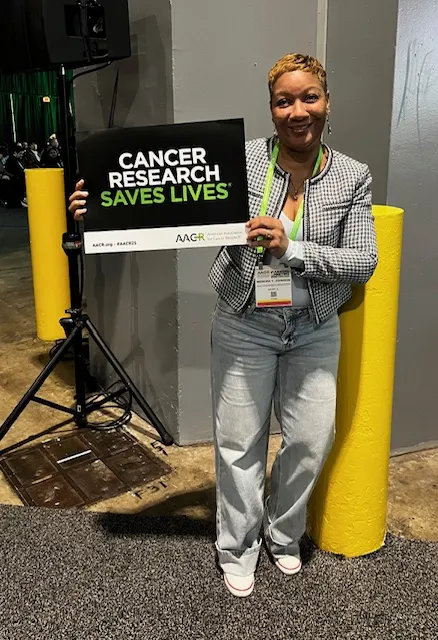
Education, advocacy, and community helped me the most. Understanding my disease empowered me to ask better questions and make informed decisions. Connecting with advocacy organizations and other survivors reminded me I wasn’t alone. Purpose, turning my experience into advocacy for genetic testing, early detection, and research, gave meaning to what I had been through. What supported my mental, emotional, and physical wellbeing was a combination of knowledge, community, and purpose. Learning about my diagnosis, especially understanding Lynch Syndrome, helped reduce fear of the unknown and allowed me to feel more in control of my care. Being informed gave me confidence to ask questions, make decisions, and advocate for myself.
The healthcare system is filled with skilled and compassionate professionals, but it can be fragmented and overwhelming, especially for patients with complex or hereditary conditions. I learned quickly that patients often have to advocate for themselves to ensure coordinated care. When providers listened, communicated clearly, and treated me as a partner in my care, outcomes and trust improved significantly. There were moments when the healthcare system truly worked for me. Just one example early on, a provider took the time to recommend genetic testing and carefully follow up on results that might otherwise have been overlooked, identifying me as Lynch Syndrome positive. Later, being offered the opportunity to participate in a clinical trial specific to Lynch Syndrome was another moment where the system worked well, my lived experience was valued, I was well-informed, and I felt like a partner in advancing research that could help others with hereditary cancer.
Listen to your body, ask questions, and never be afraid to advocate for yourself. If cancer runs in your family, pursue genetic testing, it can save lives. Seek support early, whether emotional, mental, or practical. And remember you are more than your diagnosis. Your voice, your story, and your life still matter. What I would say to someone facing cancer today is, take things one step at a time. Learn about your diagnosis, ask questions, and don’t be afraid to seek second opinions or genetic testing if something doesn’t feel right. Surround yourself with people who listen and support you. Most importantly, remember that you are more than your diagnosis, your life, dreams, and identity still matter. Cancer care must move beyond treating the disease and truly care for the person. That means listening to patients, acknowledging their fears, respecting cultural differences, and recognizing that not everyone has the same access, resources, or support. Care should be coordinated, inclusive, and rooted in compassion, especially for those living with hereditary cancer or complex conditions. Patients should be seen as partners in their care, not just recipients of it.